
Pet rabbits spend much of their day close to the floor. They eat, rest, use the litter box, and relax in the same space. Because rabbits live this way, bedding affects comfort, cleanliness, and daily health more than many people expect. A clean enclosure gives a rabbit a comfortable place to sleep, nap, and feel secure.
When bringing home a new bunny, bedding is one of the first supplies people shop for. The right choice supports easy cleanup, reduces odor, and helps create a calm environment where a rabbit can relax and feel safe.
Why Bedding Matters for Pet Rabbits
Rabbits are prey animals. They rely on their environment to feel protected. Damp bedding, strong smells, or dusty materials can cause stress and disrupt normal behavior. Over time, this can affect appetite, litter habits, and overall health.
Good bedding absorbs moisture, keeps floors dry, and helps prevent sore hocks. It also limits dust in the air, which is important for rabbits housed indoors or in an exercise pen where airflow may be limited.
Rabbit Bedding Basics Every Owner Should Know
Rabbit bedding basics start with safety. Bedding should be rabbit safe litter, meaning it does not contain clay, clumping cat litter, or scented cat litter. These materials can be dangerous if ingested, even in a small amount.
Safe options focus on absorbency and low dust. Paper pellets, paper bedding, and some wood pellets designed for small animals work well when used correctly. Bedding should support the rabbit’s diet and habits without creating risk.
Absorbency and Litter Box Use
Rabbits are clean animals and often choose one box or corner for potty use. A litter box lined with absorbent bedding helps reinforce this behavior. When moisture is pulled away quickly, the box stays fresh longer.
This also supports easy cleanup. Spot cleaning daily and full changes as needed helps maintain a fresh enclosure without wasting supplies.
Odor Control Without Harmful Materials
Odor control starts with moisture control. Bedding that traps liquid underneath keeps the surface dry and reduces smell. This is safer than using scented products that may irritate sensitive noses.
Avoid wood shavings made from softwoods or any bedding treated with chemicals. These materials can release dust or oils that are not suitable for rabbits.
Dust Free Bedding and Respiratory Comfort
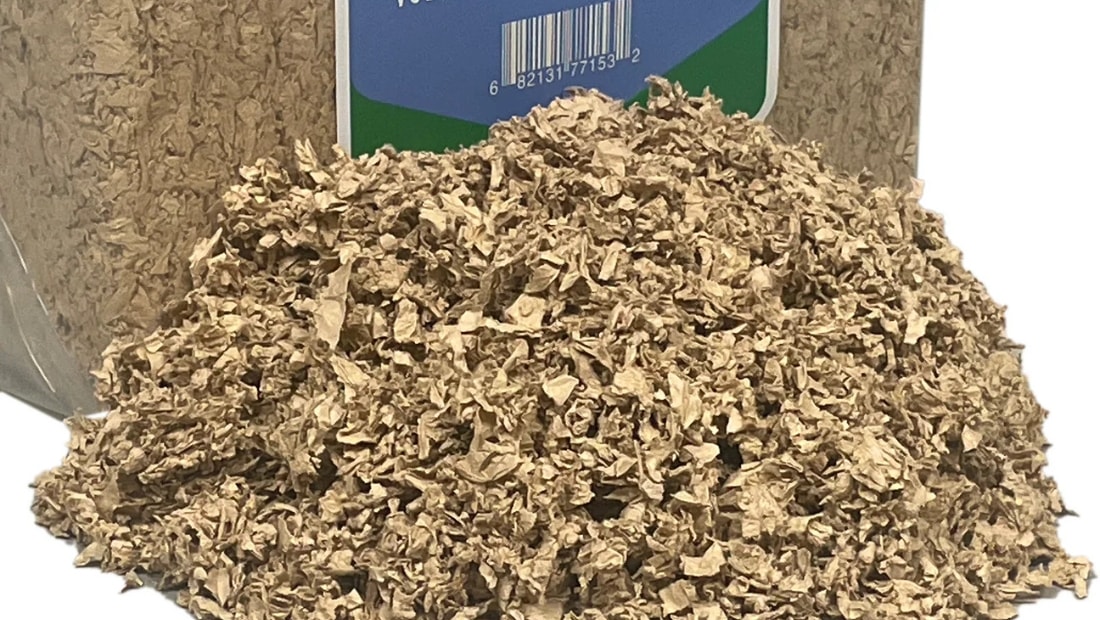
Dust free bedding helps protect a rabbit’s respiratory system. Dust can irritate the nose and lungs, especially for rabbits housed indoors or in rooms with carpet or limited ventilation.
Low-dust bedding also helps owners who clean cages regularly. Less dust means cleaner air in the room and fewer particles settling on bowls, toys, and floors.
Comfort, Warmth, and Rest
Rabbits rest often throughout the day. Bedding helps provide warmth and cushioning during sleep and nap times. A soft surface supports joints and helps prevent pressure on the feet.
Some owners add a fleece blanket or blanket over part of the enclosure to create a cozy resting area. This works best when paired with absorbent bedding underneath to manage moisture.
Bedding Placement in Cages and Hutches
Placement matters. Bedding should cover areas where rabbits sleep and use the litter box, while allowing room to move freely. Avoid wire flooring without padding, as this increases the risk of sore hocks.
In a hutch or outdoor enclosure, bedding helps insulate against cold ground and provides shade and comfort during rest periods. Indoors, bedding supports clean floors and protects carpet from moisture.
Bedding, Hay, and Feeding Areas
Hay is a key part of a rabbit’s diet. Timothy hay or alfalfa hay should be offered in a hay rack or placed near the litter box. Many rabbits eat hay while using the litter area.
Keeping hay slightly separate from bedding helps reduce waste. Fresh vegetables, pellets, and fresh water should be placed in sturdy bowls that do not tip into bedding.
How Bedding Choices Show Up in Everyday Care
Over time, bedding quality becomes clear during daily care. Bedding that absorbs well stays dry longer, which reduces odor and keeps rabbits comfortable between cleanings.
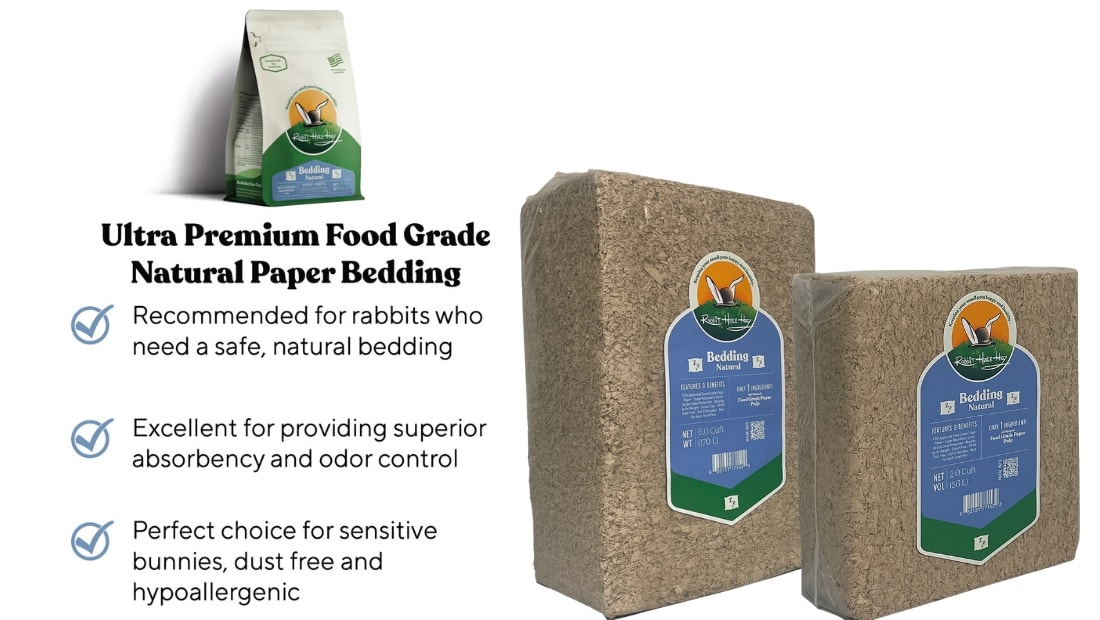
Some breeders and rabbit owners use food-grade bedding products designed for small animals, such as Rabbit Hole Hay Ultra Premium Food Grade Natural Bedding, because these options offer strong absorbency, low dust levels, and materials suited for animals that chew and dig.
Bedding and Rabbit Health
Dry bedding helps protect feet and skin. Constant contact with damp surfaces can soften skin and increase the chance of sore hocks. Clean bedding also supports a healthier coat.
Low dust exposure supports breathing comfort. This is especially helpful for older rabbits or those housed in enclosed rooms.
Bedding in Exercise Pens and Free-Roam Spaces
Rabbits kept in an exercise pen or allowed free roam indoors still need defined bedding areas. A box or corner with bedding helps maintain litter habits and protects floors.
In these spaces, bedding supports clean habits without limiting movement. This balance helps keep rabbits entertained while maintaining structure.
Bedding and Behavioral Needs
Rabbits like to dig, chew, and nibble. Bedding that supports digging without breaking down too quickly helps satisfy these instincts. This reduces boredom and supports mental health.
Providing toys, hay, and chew-safe materials alongside bedding helps rabbits stay engaged and calm.
Environmental and Cleanup Considerations
Many owners prefer bedding that breaks down easily and supports responsible disposal. Paper-based bedding often fits this need and reduces waste.
Less frequent full changes mean fewer bags used over time. This helps manage costs and storage space.
Bedding and Daily Routines
Consistency helps rabbits feel secure. Cleaning the litter box regularly, refilling bedding, and keeping food and water in the same placement supports routine.
Rabbits thrive when their enclosure feels predictable and clean.
Creating a Comfortable Place for Your Bunny
A comfortable place includes bedding, space to move, access to food and fresh water, and quiet areas to relax. Bedding supports all of these elements.
Whether a rabbit lives indoors or outdoors, bedding plays a daily role in comfort and cleanliness.
Building a Healthy Habitat Over Time
Rabbit care improves through small, steady choices. Bedding is one of the most frequent decisions owners make. Choosing materials that are dust free, absorbent, and safe helps protect health and supports easier care.
With the right bedding, rabbits can eat, sleep, dig, and relax in a space that feels clean and secure.

