
Alfalfa pellets are widely used as a feed option for animals that need added protein, fiber, and calories. They are commonly chosen when hay is limited, when animals are unable to chew long-stem forage, or when controlled portions are needed. These pellets are made from dried alfalfa that has been ground and pressed into a uniform form. When used correctly, alfalfa pellets can support weight, digestion, and daily feeding routines.
Many barns use alfalfa pellets because they are easy to store, simple to measure, and cleaner than loose hay bales. They can be fed soaked or fed wet, depending on the animal’s needs. While pellets offer several benefits, they also come with limits that must be understood before adding them to any diet.
At Everbreed, breeders use organized feeding records, daily task tracking, and animal profiles to manage diet changes with accuracy. Everbreed supports rabbit breeders and small animal caretakers by helping track feed types, feeding times, weight changes, and health notes in one place. This structure helps create consistent feeding routines across the barn while reducing errors during diet changes.
What Are Alfalfa Pellets?
Alfalfa pellets are made by drying fresh alfalfa, grinding it into a fine material, and compressing it into small cylinders. The drying process helps retain fiber, vitamins, and minerals while removing excess moisture. The final product is shelf-stable and easy to handle in a bag or sealed container. Pellets allow feed to be measured by weight rather than volume.
Unlike hay, pellets do not contain long strands of forage. This changes how animals chew and digest the feed. While pellets still contain crude fiber, they do not replace the chewing action provided by long-stem forage. This difference plays a large role in how pellets should be used within a diet.
Nutritional Profile of Alfalfa Pellets
Alfalfa pellets are rich in protein, fiber, calcium, and essential vitamins. Most products contain between 12 percent and 20 percent protein, depending on harvest and processing. The crude fiber level supports digestion, while the natural nutrients support growth and maintenance. These pellets are often used as a supplement rather than a full feed source.
The calcium content in alfalfa is higher than that of grass hay. This can help buffer stomach acid, especially in horses, but it also creates risk if fed in excess. Minerals such as magnesium support muscle and digestive function. Because pellets are nutrient-dense, quantity matters more than volume during feeding.
Alfalfa Pellets Compared to Hay
Hay is a natural forage that provides chewing time and digestive movement. Long stem forage supports gut health by increasing saliva production and keeping the digestive system active. Pellets cannot fully replace this function because they require less chewing. Animals that rely only on pellets may finish meals too quickly.
Pellets do offer advantages when compared to hay bales. They take up less space, produce less dust, and are easier to store in a small facility. Pellets reduce waste because animals tend to eat them fully. Hay often falls onto the barn floor and becomes unusable.
Storage and Handling Benefits
Alfalfa pellets are convenient to store and transport. A single bag can replace multiple hay bales in storage space. This makes pellets useful for barns with limited room or strict feed organization. Pellets also reduce pest problems because sealed bags limit access for mice.
Handling pellets is simple. Feed can be scooped, weighed, and tracked easily. This allows precise daily portions, which support weight control and feeding accuracy. Pellets are easier to move across a facility than loose hay and help maintain cleaner feeding areas.
Benefits of Alfalfa Pellets
One major benefit of alfalfa pellets is controlled feeding. The uniform size allows the same quantity to be given each day. This supports consistent energy intake and helps track weight changes. Pellets are often chosen when animals need extra calories.
Pellets also provide clean nutrition. They contain less dust than hay and are easier on the respiratory system. Animals with dental issues can eat softened pellets more comfortably. When properly softened, pellets are easier to chew and digest.
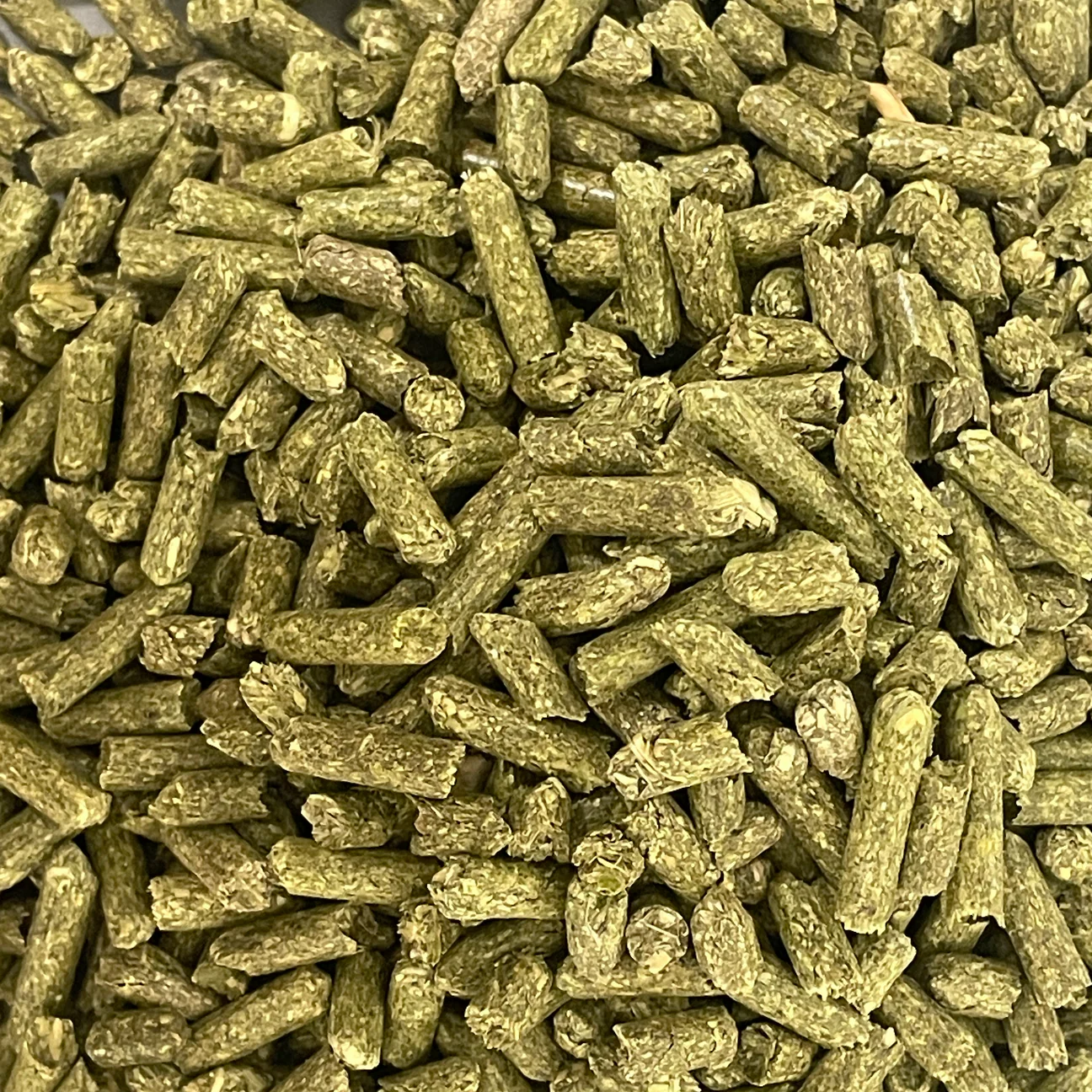
Animals That Eat Alfalfa Pellets
Horses commonly eat alfalfa pellets when additional protein or calories are needed. Senior horses with dental issues benefit from soaked pellets that replace hay chewing. Underweight horses may gain weight when pellets are added gradually. Performance horses and lactating mares also use pellets as a supplement.
Cattle and goats use alfalfa pellets to support milk production and body condition. Alfalfa is a preferred feed for dairy animals because of its protein content. Goats often love pellets due to taste and texture. Sheep and small herbivores may also receive pellets in limited amounts.
Support for Animals With Dental Issues
Animals with worn teeth often struggle to eat hay. Long-stemmed forage becomes difficult to chew, leading to weight loss. Alfalfa pellets provide an alternative that can be soaked and fed wet. This helps animals continue eating without discomfort.
When pellets are properly softened, they reduce choking risk and improve intake. Pellets should be mixed with clean water and allowed to expand fully. This creates a mash that animals can safely eat. Feeding dry food to animals with dental issues increases the risk.
Weight Support and Condition Management
Alfalfa pellets are often used for animals that need to gain weight. They are calorie-dense and digestible. Small increases in quantity can add noticeable calories to a diet. This makes pellets useful during growth, lactation, or recovery periods.
Weight gain should be monitored closely. Because pellets are nutrient-rich, feeding too much may cause excess weight. Regular checks and recorded feeding amounts help control intake. Tracking daily changes supports stable health.
Digestive Support and Ulcer Buffering
The calcium in alfalfa helps buffer stomach acid. This is helpful for horses prone to gastric discomfort. Pellets may reduce acid exposure when fed before exercise or overnight. This buffering effect supports digestive comfort.
Pellets should not replace forage completely. Horses still require constant forage movement through the gut. Pellets can support digestion, but hay remains necessary for digestive rhythm and chewing behavior.
Risks of Feeding Alfalfa Pellets
One risk is mineral imbalance. Alfalfa contains high calcium levels, which may disrupt mineral ratios if overfed. This can affect long-term health. Balanced feeding is required when pellets are used daily.
Another risk is choking. Dry pellets can swell rapidly when exposed to moisture. Feeding pellets soaked reduces this risk. Animals should always have clean water available when eating pellets.
Feeding Pellets Fed Wet or Soaked
Pellets fed wet expand and soften before consumption. This lowers choking risk and improves digestion. Most pellets require soaking for at least 10 to 20 minutes. The texture should be crumbly, not soupy.
Clean water must be used for soaking. Pellets should be fed shortly after preparation to prevent spoilage. Warm weather increases fermentation risk, so leftover mash should be discarded.
Feeding Quantity Guidelines
The quantity of alfalfa pellets should match the amount of hay being replaced by weight. This is commonly done at a 1:1 ratio. For example, one pound of hay equals one pound of pellets. This helps maintain fiber intake.
Feeding amounts should be adjusted slowly. Sudden change may upset digestion. Changes should be introduced over several days. Monitoring manure and appetite helps guide adjustments.
Pellets as a Temporary Hay Substitute
Alfalfa pellets may replace hay during emergencies. Weather shortages, supply issues, or travel may limit hay access. Pellets provide temporary forage support when hay is unavailable.
They should not serve as a long-term hay replacement for healthy horses. Long stem forage remains necessary for digestive movement and behavior. Pellets work best when combined with hay.
Stall Vices and Boredom Risks
Animals need time spent chewing forage. Without it, stall vices may develop. Cribbing, weaving, and pacing are linked to boredom. Pellets are eaten quickly and reduce feeding time.
To prevent stall vices, pellets should not be the only feed source. Mixing pellets with hay helps extend eating time. This helps eliminate boredom and supports behavioral health.
Preventing Boredom in the Barn
Hay nets, slow feeders, and forage access help protect mental health. Pellets can support nutrition but not activity. Animals require engagement through feeding time.
Using pellets alongside hay allows nutrition support without removing chewing behavior. This balance helps prevent stall vices and keeps animals occupied throughout the day.
Buying Alfalfa Pellets
Alfalfa pellets are available through the Everbreed shop, including Rabbit Hole Hay All Natural Alfalfa Pellets. Ordering online allows breeders and small-animal owners to view product details, check availability, and select the appropriate bag size for their feeding needs. Each product page provides clear information to support accurate feed selection.
Pellets can be ordered by the bag and shipped directly based on location and quantity selected at checkout. This setup supports convenient restocking while keeping feed consistent across daily routines. Availability and delivery options may vary by state and fulfillment area.
Storage and Freshness
Pellets should be stored in a dry area away from moisture. Bags must remain sealed when not in use. Moisture causes mold and spoilage. A clean feed area supports freshness.
Always check pellets before feeding. They should smell fresh and appear uniform. Crumbling, moisture, or odor indicate spoilage. Proper storage protects feed quality.
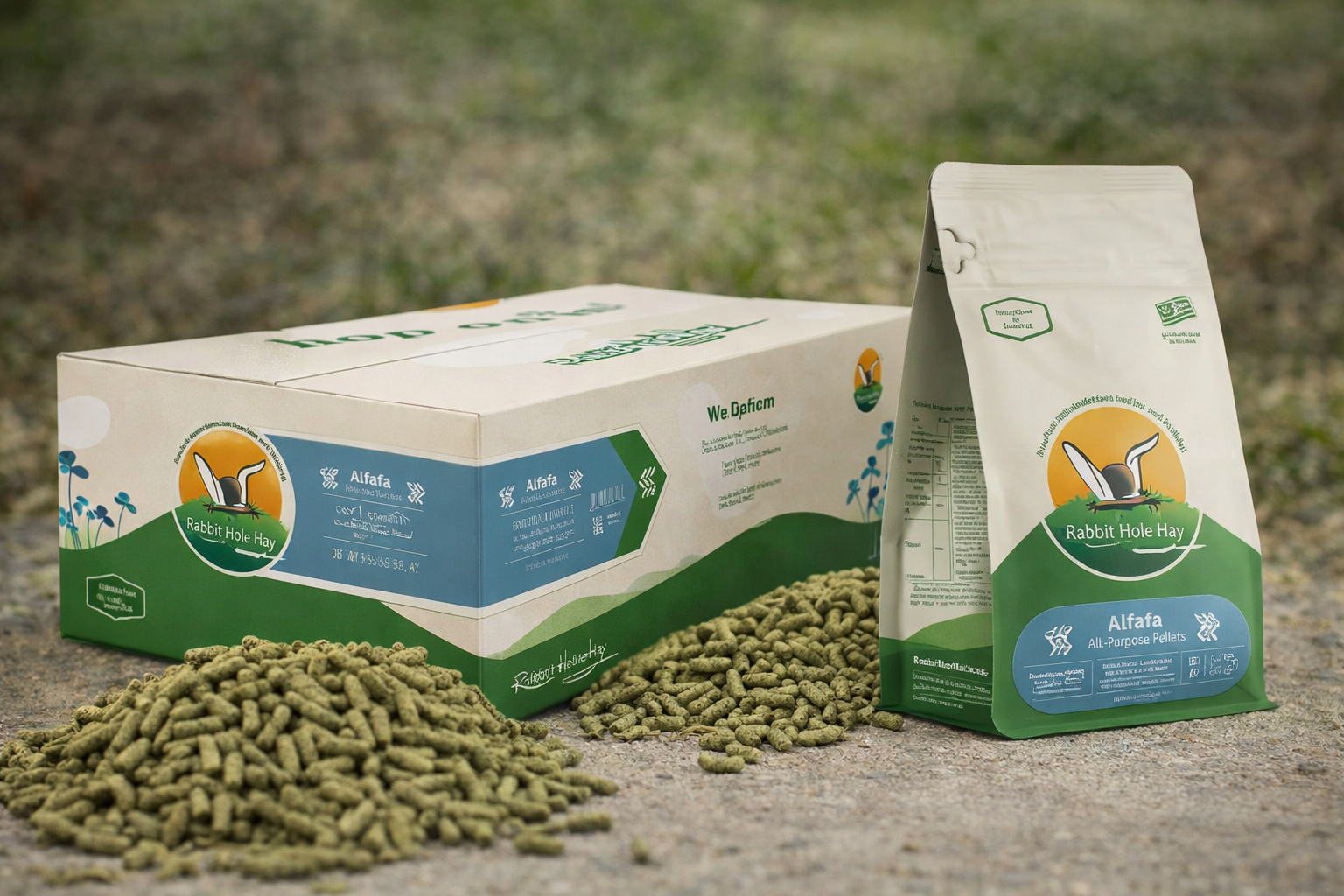
Rabbit Hole Hay All Natural Alfalfa Pellets
Rabbit Hole Hay All Natural Alfalfa Pellets are designed for small animals such as rabbits, guinea pigs, and chinchillas. These pellets are made from sun-dried alfalfa and provide fiber and nutrients that support daily health. They are suitable for growing animals and those needing weight support.
The formula contains no corn, soy, or canola fillers. Ingredients such as yucca root help reduce ammonia levels, supporting cleaner housing. Added natural ingredients support overall health while maintaining simple feeding routines.
Feeding Guidelines for Small Animals
Young rabbits under seven months may eat unlimited pellets while growing. Adult rabbits transition to an 80 percent hay diet with measured pellet portions. Guinea pigs and chinchillas follow age-based feeding guidelines.
Pellets should always be paired with fresh hay and clean water. Feeding amounts should be adjusted gradually. Monitoring weight helps guide daily portions.
Tracking Feed and Health Records
Keeping feeding records supports consistency. Recording pellet quantity, hay intake, and weight changes helps detect problems early. Organized records reduce feeding mistakes.
Tracking also supports breeding and growth planning. Consistent documentation helps breeders understand how feed affects animals over time.
Conclusion
Alfalfa pellets provide a flexible feed option that supports weight, protein intake, and daily nutrition when used correctly. They work well for animals with dental issues, animals needing extra calories, and situations where hay access is limited. Pellets offer convenience, cleaner storage, and accurate feeding control, but they do not replace the role of long stem forage. Balanced feeding routines that include hay help support digestion, behavior, and long-term health.
At Everbreed, organized records and feeding tools help breeders track diet changes, pellet intake, and animal condition in one place. The platform supports accurate daily feeding routines across rabbits and small livestock. Sign up today to keep feeding schedules, weight tracking, and health notes organized. Everbreed helps create clear routines that support consistency across every day in the barn.

