
Hay is the most important part of a rabbit’s diet. Most adult rabbits should eat a constant supply of hay every day to support digestion and dental health. Some rabbits, however, struggle with coarse or stem-heavy hay. When a rabbit avoids eating hay or picks only soft pieces, the issue may be texture rather than appetite.
Understanding why some rabbits need softer hay helps owners choose the right type of hay and prevent feeding problems. Soft hay varieties can make eating easier for rabbits with dental sensitivity, aging teeth, or a preference for leafy textures. Selecting the right hay also helps rabbits maintain normal digestion and stable body weight.
Why Hay Is the Foundation of a Rabbit’s Diet
Hay provides the fiber rabbits need to keep their digestive system moving. The rabbit digestive tract depends on a steady intake of fibrous plant material. When rabbits eat enough hay, they produce normal droppings and maintain healthy gut movement, which lowers the risk of GI stasis, a potentially fatal condition.
Most adult rabbits should eat a pile of hay at least the size of their body each day. Timothy hay, orchard grass, meadow hay, and oat hay are common options for a balanced bunny's diet. These grasses provide fiber, moderate calories, and nutrients that support daily health without causing weight gain.
Why Some Rabbits Need Softer Hay
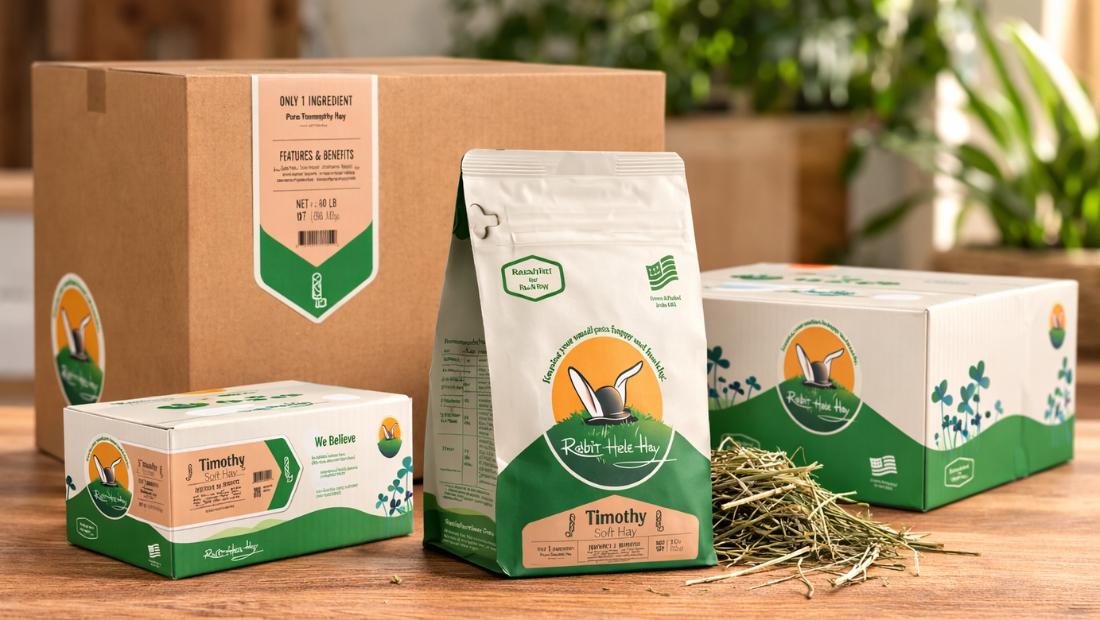
Some rabbits avoid regular hay because the stems are too thick or rough for comfortable chewing. Rabbits with dental wear, aging teeth, or sensitive mouths often prefer soft hay with more leafy material and fewer hard stalks. Softer hay allows these rabbits to continue eating hay without pain or frustration.
Rabbits also develop preferences based on texture and taste. Soft hay from later harvests tends to have thinner stems and a slightly sweeter taste. Rabbits that refuse coarse hay often eat soft hay eagerly, which helps maintain fiber intake and prevents digestive problems.
Signs a Rabbit May Need Softer Hay
Rabbits usually show clear behavior changes when they struggle with coarse hay. Some rabbits pull soft pieces from a hay pile and leave the thicker stems behind. Others stop eating hay and rely more on pellets or leafy greens, which can reduce fiber intake.
Watch for these common signs that a rabbit may benefit from softer hay:
- Picking only leafy pieces of hay
- Leaving large stems in the litter box or cage
- Eating fewer hay strands overall
- Droppings are becoming smaller or irregular
- Spending more time chewing pellets or treats
When these patterns appear, switching to softer hay can help restore normal eating behavior and maintain a healthy rabbit diet.
Types of Hay Rabbits Commonly Eat
Hay varieties differ in texture, taste, and nutrient content. Understanding the main types of rabbit hay helps owners choose the right option for rabbits that struggle with tougher hay. Each hay type supports digestion, but the stem thickness and leaf softness differ.
- Timothy Hay: Timothy hay is the most common rabbit hay and works well for most adult rabbits. It contains a balance of stems and leaves that provide fiber for digestion and help wear down teeth naturally during chewing.
- Orchard Grass: Orchard grass is softer and slightly sweeter than timothy hay. Rabbits that avoid coarse hay often prefer orchard hay because the stems are thinner and easier to chew.
- Meadow Hay: Meadow hay contains a natural mix of grasses and plants. This variety can add diversity to a rabbit’s diet and encourages natural foraging behavior.
- Oat Hay: Oat hay includes thicker stalks and seed heads. Many rabbits enjoy the texture because it provides extra chewing activity and enrichment.
-
Alfalfa Hay: Alfalfa hay contains higher protein and calcium levels than grass hays. It is commonly fed to baby rabbits and growing kits, but is not typically recommended for most adult rabbits due to its higher nutrient content.
What Makes Soft Timothy Hay Different
Soft timothy hay usually comes from the third harvest or from a very soft second harvest. This stage of growth produces hay with thin stems and velvety leaves. The texture feels soft when handled, and rabbits can chew it more easily than coarse first-cut hay.
Products like Rabbit Hole Hay Ultra Premium Soft Timothy Hay contain mostly leafy strands with minimal stems or seed heads. This texture makes it easier for rabbits with weak teeth or dental sensitivity to continue eating hay regularly. The soft structure still provides fiber while reducing the effort required to chew each strand.
Benefits of Soft Timothy Hay for Sensitive Rabbits
Soft timothy hay can help rabbits maintain normal feeding habits when coarse hay becomes difficult to eat. Rabbits that struggle with regular hay often increase hay intake again when the texture becomes easier to chew. This helps stabilize digestion and supports dental wear through natural chewing.
Soft hay also contains the nutrients rabbits need to support their overall health. The leafy structure provides fiber and plant nutrients while remaining gentle on sensitive teeth. Rabbits that eat soft hay regularly are more likely to maintain healthy droppings, stable weight, and normal eating behavior.
Maintaining Dental Health With Soft Hay
Rabbit teeth grow continuously throughout their life. Chewing fibrous hay helps wear down teeth naturally and prevents overgrowth. Even rabbits that require softer hay still need chewing activity to support dental health.
Owners can support healthy teeth by combining soft hay with other chewing materials. Chew toys, wooden blocks, and mixing small amounts of coarse hay varieties such as orchard grass or first-cut timothy hay can encourage chewing without forcing rabbits to struggle with overly rough hay.
Choosing High-Quality Hay for Rabbits
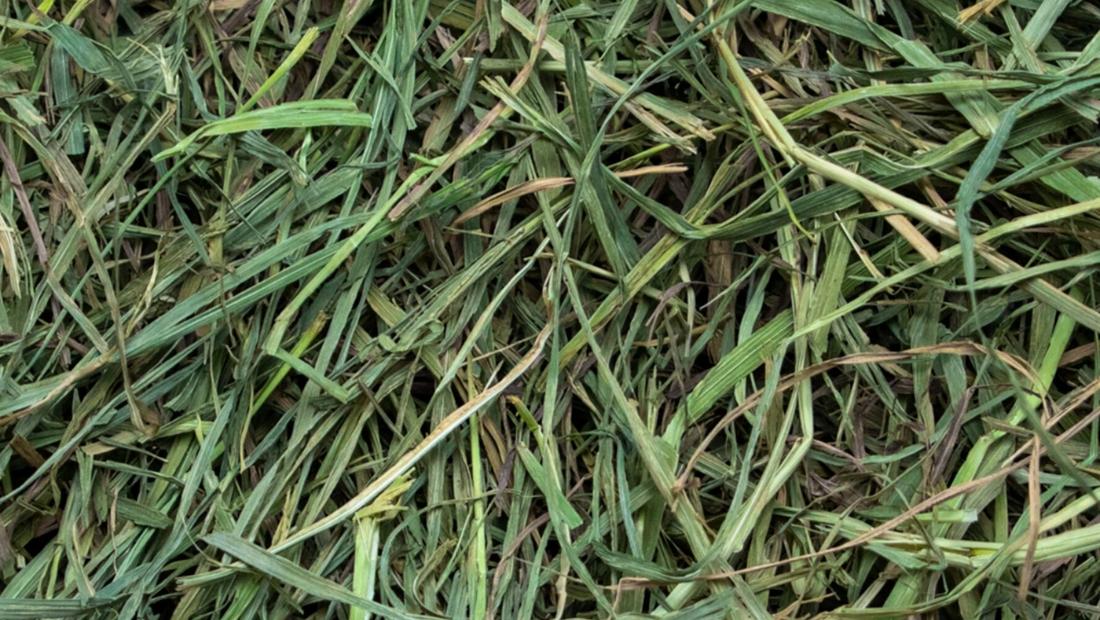
The quality of hay affects both nutrition and comfort. Fresh hay should appear green, smell clean, and contain long strands rather than dusty fragments. Rabbits often refuse hay that is brown, stale, or full of broken pieces.
High-quality hay also reduces dust exposure. Dusty hay can irritate a rabbit’s eyes and nose, which may lead to sneezing or watery eyes. Carefully processed hay with long strands and minimal dust helps rabbits eat comfortably while keeping their living environment cleaner.
Why Fresh Hay Quality Matters
Fresh hay maintains better nutrient content and encourages rabbits to eat more frequently. Rabbits naturally graze throughout the day, and fresh hay with a natural grass smell attracts them to continue eating. When hay becomes stale or damp, rabbits often lose interest and begin eating fewer fibrous foods.
Hay that is carefully inspected and packaged maintains freshness longer. Hand-packed hay also preserves longer strands and reduces broken pieces that create dust. This type of hay supports consistent feeding habits and helps rabbits receive the fiber they need every day.
Feeding Soft Hay as Part of a Balanced Diet
Soft timothy hay works best when used as the main fiber source in a rabbit's diet. Rabbits should always have access to fresh hay in their enclosure or litter box. Hay encourages natural grazing behavior and supports digestive movement throughout the day.
Pellets and leafy greens can remain part of the diet but should not replace hay. Most adult rabbits require a diet made primarily of hay, with smaller portions of pellets and fresh greens. This balance supports healthy weight, normal digestion, and stable energy levels.
Tips for Encouraging Rabbits to Eat More Hay
Some rabbits eat more hay when the feeding setup encourages natural behavior. Placing hay in the litter box often increases hay consumption because rabbits like to eat while using the litter area. Mixing different hay varieties can also create more interest in the hay pile.
Offering fresh hay several times a day helps maintain smell and texture. Rabbits often return to hay when it smells fresh and clean. Rotating hay types such as timothy hay, orchard grass, or meadow hay may also encourage rabbits to keep eating throughout the day.
Monitoring Rabbit Health Through Hay Intake
Hay consumption provides useful information about rabbit health. Rabbits that suddenly stop eating hay or produce fewer droppings may be developing digestive issues. A decrease in hay intake often appears before other symptoms of GI stasis.
Owners should observe daily hay intake along with droppings, appetite, and activity level. If a rabbit stops eating hay completely or shows signs of discomfort, contacting a rabbit-savvy vet helps identify the cause early and prevent serious digestive problems.
Supporting Comfortable Eating With the Right Hay
Rabbits rely on hay for digestion, dental wear, and daily nutrition. When hay texture becomes too rough, some rabbits struggle to chew comfortably and reduce their hay intake. Softer hay varieties provide a solution that keeps rabbits eating enough fiber while protecting sensitive teeth.
Choosing soft, fresh hay allows rabbits to maintain normal eating habits and stable digestive health. Products like Rabbit Hole Hay Ultra Premium Soft Timothy Hay provide a gentle texture, clean strands, and reliable quality for rabbits that need softer hay to eat comfortably.

