
Rabbits depend on hay as the main part of their daily diet. A healthy rabbit should eat hay throughout the day to keep the digestive system working and to maintain healthy teeth. Grass hay varieties such as timothy hay, orchard grass, meadow hay, and oat hay provide the high fiber rabbits need. Many rabbit owners focus on the brand of hay or the size of the bag they buy, but they often overlook one important detail that affects both nutrition and chewing behavior.
That detail is the presence of seed heads. Seed heads are the grain-like tops that appear on certain grass hays, especially oat hay. Understanding why seed heads matter in a rabbit’s daily diet helps rabbit owners choose better hay and support long-term health. When rabbits eat hay with seed heads, they chew longer and eat more hay, which supports digestion, dental health, and natural grazing behavior.
What Seed Heads Are and Why Rabbits Like Them
Seed heads are the mature tops of grasses that appear when the plant produces seeds. These seed clusters are common in oat grass and oat hay. They are usually attached to thicker stems and broad leaves, which create a coarser texture compared with soft hay such as orchard grass.
Most rabbits enjoy seed heads because they provide variety in taste and texture. Rabbits are grazing animals by nature, and wild rabbits eat grasses, weeds, and plant tops throughout the day. When rabbits eat hay that includes seed heads, the feeding experience is closer to what they would encounter in natural grass environments.
Why Seed Heads Matter in a Rabbit’s Daily Diet
Understanding why seed heads matter in a rabbit’s daily diet begins with how the rabbit digestive system works. Rabbits require a constant supply of fiber to keep the gut moving. Without enough fiber, digestion slows down and serious problems can occur.
Seed heads help increase chewing time. The coarse stems and seed clusters require more grinding compared with soft hay leaves. This chewing stimulates saliva and supports digestion. More chewing also helps wear down rabbits’ ever-growing teeth, which reduces the risk of dental issues.
Grass Hay as the Foundation of a Rabbit’s Diet
Grass hay should make up the largest portion of a rabbit’s diet. Rabbits should have access to fresh hay at all times because the fiber supports digestion and helps maintain stable gut activity. Timothy hay, orchard grass, meadow hay, and oat hay are common grass hay options used for rabbits and other small pets.
A rabbit that eats hay throughout the day maintains better digestive balance. Fiber keeps food moving through the digestive tract and supports healthy gut bacteria. Rabbits that eat only hay for long periods are rarely at risk of digestive slowdowns compared with rabbits that rely too heavily on pellets.
How Oat Hay Provides Natural Variety
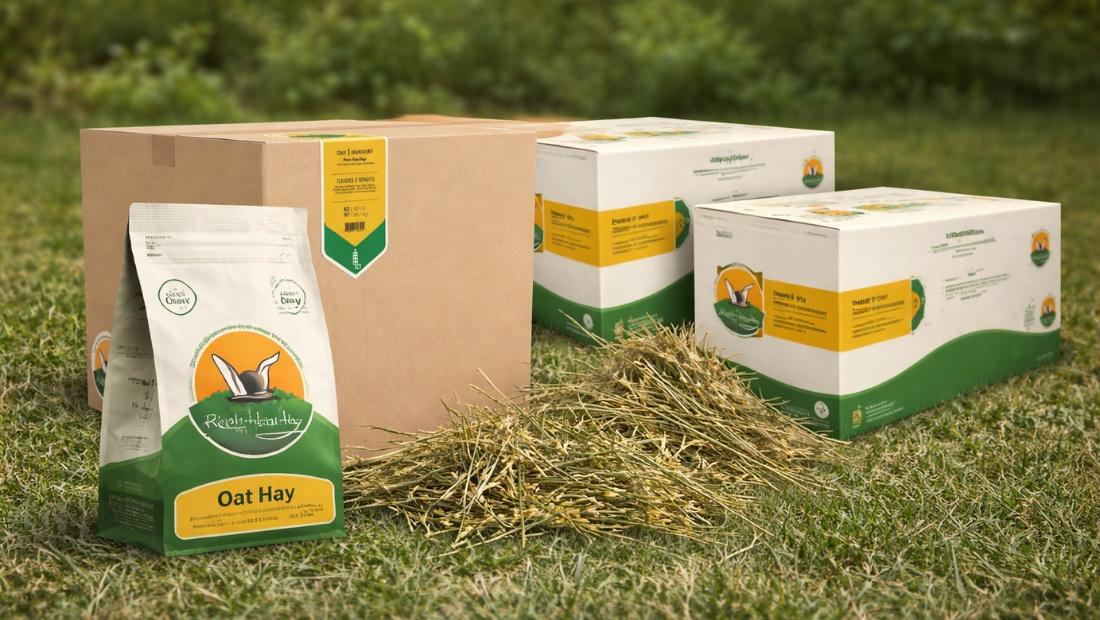
Oat hay is known for its thicker stems and visible seed heads. Unlike soft hay such as orchard grass, oat hay includes coarse stems and long seed clusters that add texture. Many rabbits enjoy pulling apart the stems and eating the seed heads first before finishing the rest of the hay.
Adding oat hay to a rabbit’s feeding routine introduces variety that encourages rabbits to eat more hay. Rabbits often explore hay piles looking for seed heads, which increases activity and keeps them engaged while eating. This behavior supports natural grazing habits seen in wild rabbits.
Fiber and Digestive Movement
Fiber is the most important nutrient in a rabbit’s diet. The digestive system of rabbits relies on fiber to keep the gut moving continuously. When rabbits eat high fiber hay, the digestive system processes food properly and prevents blockages.
A diet that lacks fiber can cause the digestive system to slow down. Rabbits that eat too many pellets or treats often develop digestive issues because pellets do not provide the same level of fiber as grass hay. Seed heads help increase hay intake, which helps maintain consistent digestive movement.
Dental Health and Constant Chewing
Rabbits have teeth that grow throughout their lives. These ever-growing teeth require constant wear through chewing fibrous foods. Hay provides the grinding motion needed to wear down teeth and maintain proper alignment.
Coarse hay varieties that contain seed heads increase chewing time. Thick stems and seed clusters require rabbits to chew more compared with softer leaves. This extended chewing supports natural tooth wear and helps reduce dental problems that occur when rabbits eat mostly pellets.
Choosing Good Hay for Your Rabbit
Good hay should look fresh and smell clean. Fresh hay usually has a green or yellow-green color and contains intact stems and leaves. Hay that appears dusty or brown may have been stored improperly and may not encourage rabbits to eat enough.
Rabbit owners often buy hay from a pet store, feed store, or online supplier. Some hay comes in small bags that may lose freshness over time, while larger boxes or bales may stay fresher. Choosing a good brand that handles hay carefully helps rabbits receive the fiber they need.
A Simple Way to Add Seed Heads to the Diet
Many rabbit owners mix different types of grass hay so their rabbits experience a variety of textures. Timothy hay may serve as the primary hay, while orchard grass or meadow hay provides softer strands. Adding oat hay occasionally introduces seed heads that many rabbits enjoy.
Some breeders and rabbit owners like to rotate hay types so rabbits stay interested in eating hay. For example, offering oat hay with visible seed heads alongside timothy hay can increase hay consumption without changing the overall diet.
Fresh Hay Quality Matters
Fresh hay quality affects whether rabbits eat enough each day. Rabbits often ignore stale hay or hay that has become dusty. Replacing hay frequently keeps the feeding area appealing and encourages rabbits to eat more.
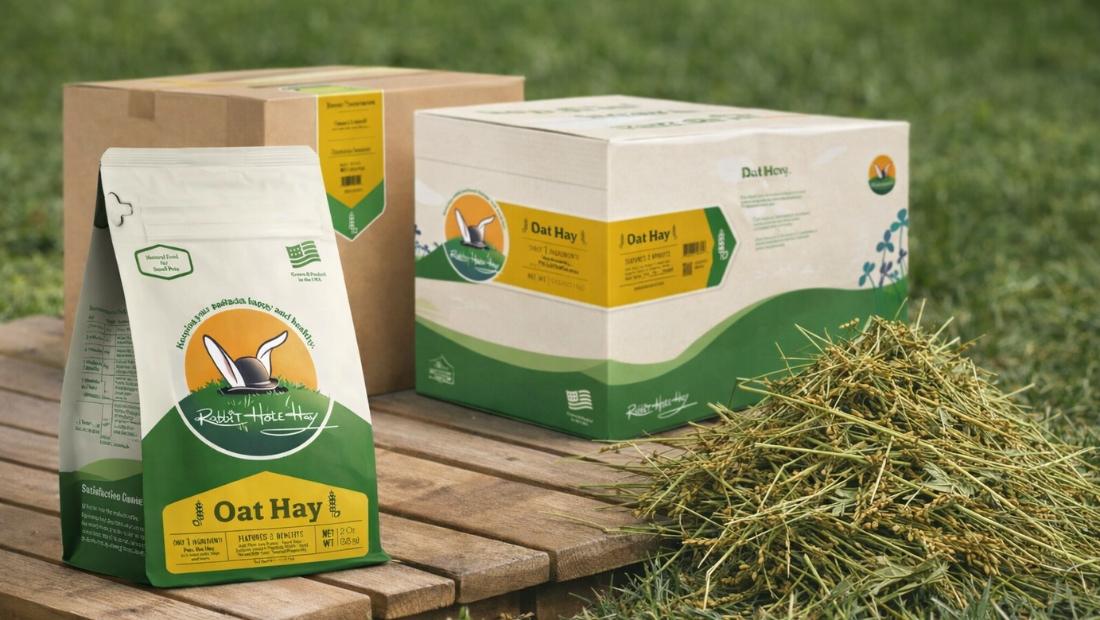
One option some rabbit owners use when they want hay that includes visible seed heads is Rabbit Hole Hay Ultra Premium Oat Hay. This type of oat hay includes stems, leaves, and long seed heads from early oat harvests. The coarse texture encourages chewing and supports natural grazing behavior in rabbits and other small pets.
Feeding Hay in the Rabbit Living Area
Many rabbits prefer to eat hay while using their litter box. Placing hay near or above the litter box can increase hay consumption because rabbits naturally graze while sitting in that space.
Hay should be replaced often so rabbits always have access to fresh hay. Rabbits rarely eat soiled hay, so removing damp or dirty hay keeps the feeding area clean and encourages steady grazing throughout the day.
Preventing Weight and Health Problems
Rabbits that eat too many pellets may gain excessive weight. Pellets contain concentrated nutrients and calories, which can lead to weight problems when fed in large amounts. Hay helps balance this by providing fiber without excess calories.
A hay-focused diet helps prevent several health problems. Rabbits that eat large amounts of hay maintain stable digestion and healthy teeth. They are also less prone to conditions such as bladder sludge and digestive slowdowns that can occur when rabbits rely heavily on pellets.
Building a Balanced Rabbit Diet
A balanced rabbit diet begins with unlimited grass hay. Rabbits should always have access to hay so they can eat throughout the day. Fresh water should also be available at all times.
Pellets and vegetables should be offered in smaller portions. Leafy greens such as romaine lettuce can provide additional nutrients, while fruit should remain an occasional treat. When hay remains the main food source, rabbits maintain healthy digestion and stable body weight.
Supporting Natural Rabbit Behavior
Rabbits are natural grazers. In the wild they spend many hours eating grass and plants. Domestic rabbits still have the same instinct, which is why access to fresh hay is so important.
Hay that includes seed heads supports this natural behavior. Rabbits often search through hay piles looking for seed heads and thicker stems. This activity keeps rabbits engaged with their food and supports a natural feeding pattern that benefits their health.
The Role of Hay in Long-Term Rabbit Health
Hay supports several areas of rabbit health. A diet rich in grass hay promotes strong digestion, healthy teeth, and stable body weight. Rabbits that eat hay throughout the day maintain a more balanced digestive rhythm.
Understanding why seed heads matter in a rabbit’s daily diet helps rabbit owners provide better nutrition. Seed heads increase chewing, improve hay consumption, and encourage natural grazing behavior. With the right hay available each day, rabbits stay active, healthy, and well supported by a fiber-rich diet.

