
Rabbits are grazing animals by nature. In the wild, rabbits eat a wide range of grass, weeds, seed heads, and seasonal plants throughout the day. This steady intake of fiber supports digestion, tooth wear, and overall rabbit’s health. When feeding house rabbits, the goal is to reflect that natural diet as closely as possible. Why variety in grass matters for rabbit nutrition becomes clear when we compare wild feeding habits to a single-type hay routine.
Most rabbits rely on grass hay as the foundation of their rabbit's diet. Fresh hay provides high fiber, supports healthy digestion, and keeps teeth worn down properly. While pellets and fresh foods can supplement the diet, hay for rabbits should make up the largest portion of daily intake. Offering different hay varieties better reflects how wild rabbits eat and supports balanced nutrition long term.
Understanding the Natural Diet of Rabbits
Wild rabbits eat grass, clover, weeds, fresh greens, and plant stems. In late spring and late summer, grazing animals consume a mix of tender grass and more mature plants. During winter, dried grass and stored plant material become more common. This seasonal shift exposes rabbits to different levels of fiber, protein, minerals, and other important nutrients.
House rabbits often receive only timothy hay from pet stores or a feed store. Timothy hay is a reliable grass hay, but feeding only one type limits texture and plant diversity. Why variety in grass matters for rabbit nutrition is rooted in this difference. A natural diet includes multiple plant types, not a single uniform source of food.
Role of Grass Hay in Rabbit Health
Grass hay supports digestive function and dental health. High fiber keeps the digestive tract moving and reduces the risk of health problems such as gut slowdowns. Because rabbit teeth grow continuously, chewing hay helps wear them down naturally. Without steady hay intake, rabbits may develop dental issues that affect eating and comfort.
Timothy hay is widely used for adult rabbits due to its fiber content. Orchard grass hay is softer and often more fragrant, which can help picky eaters. Oat hay includes oat grass stems and seed heads that encourage chewing. Bermuda grass is common in warmer regions and also provides fiber support. Alfalfa hay, which is not a grass but a legume, contains higher protein and calcium and is better suited for young bunnies rather than adult rabbits.
Too much alfalfa in adult rabbits can lead to calcium problems such as bladder sludge. It can also contribute to excess weight due to higher protein levels. Why variety in grass matters for rabbit nutrition includes balancing calcium and protein intake by focusing primarily on grass hay for adult rabbits.
Why Feeding Only One Hay Is Limiting
Rabbits eat based on texture as well as smell and taste. Some grass hay types have soft leaves. Others contain thicker stems or visible seed heads. Oat hay, for example, often contains seed heads that stimulate chewing. Orchard grass may offer softer strands, while timothy may provide firmer stalks.
If rabbits eat only one type of hay, they may become selective and avoid certain parts. This can reduce total fiber intake. Pellet fed rabbits may already eat less hay because pellets are more concentrated food. That combination can increase the risk of digestive health problems. Why variety in grass matters for rabbit nutrition connects directly to encouraging consistent, high fiber intake.
Grass Variety and Digestive Stability
High fiber is the foundation of a healthy diet for rabbits. Long-strand fiber from grass hay supports gut movement and helps prevent blockages. Timothy, orchard grass, oat hay, and bermuda grass all contribute to digestive stability in slightly different ways due to differences in plant structure and harvest timing.
Hay harvested in late spring often contains softer leaves and lighter stems. Hay harvested in late summer may have thicker stalks and more mature seed heads. Offering a mix of textures supports steady chewing and may increase hay consumption. Why variety in grass matters for rabbit nutrition includes providing both tender and structured strands that promote regular eating habits.
Comparing Grass Hay and Alfalfa
Alfalfa contains higher protein and calcium compared to grass hay. Young bunnies benefit from these extra nutrients during growth. Small amounts of alfalfa can support early development. Once rabbits reach adulthood, however, grass hay should become the main focus of the diet.
Excess calcium from alfalfa may contribute to bladder sludge and other urinary health problems. Too much protein can also lead to weight gain and fat accumulation. Why variety in grass matters for rabbit nutrition includes understanding when to shift from alfalfa to grass hay varieties that support adult rabbits more appropriately.
Choosing Fresh, Clean Hay
Fresh hay should be green, dry, and fragrant. It should not smell musty or appear overly dusty. Dust can irritate the eyes and affect respiratory health in rabbits and guinea pigs. Clean harvest practices and careful packing reduce these risks.
Hay grown without herbicides and pesticides supports a cleaner natural diet. Hand-packed hay that is inspected before shipping often contains less breakage and fewer fine particles. Why variety in grass matters for rabbit nutrition includes both plant diversity and quality control.
Supporting Variety With Mountain Grass
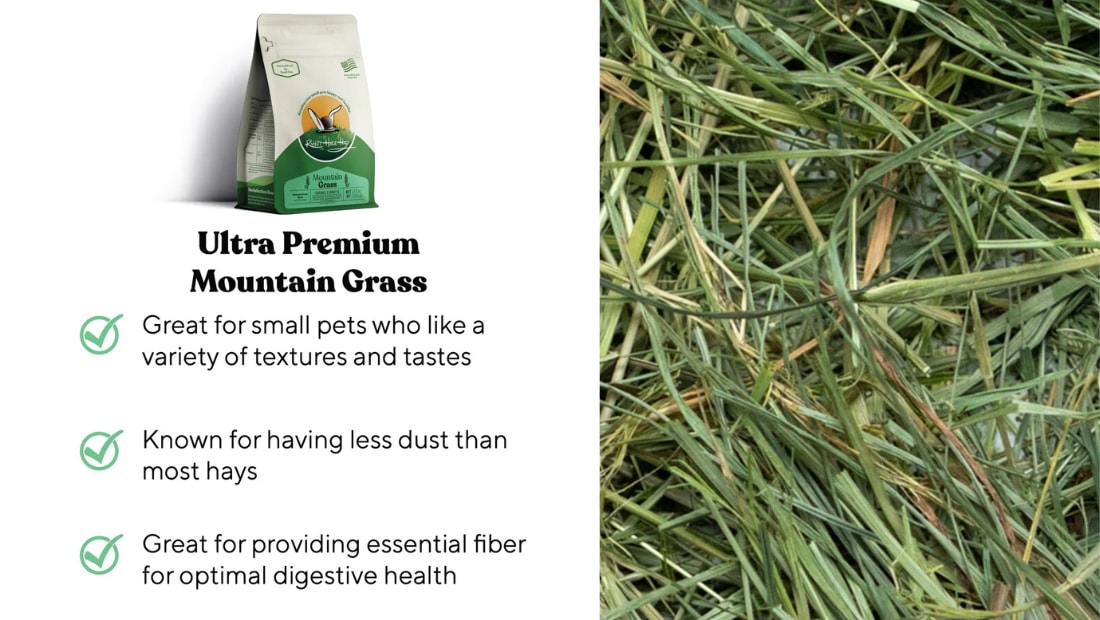
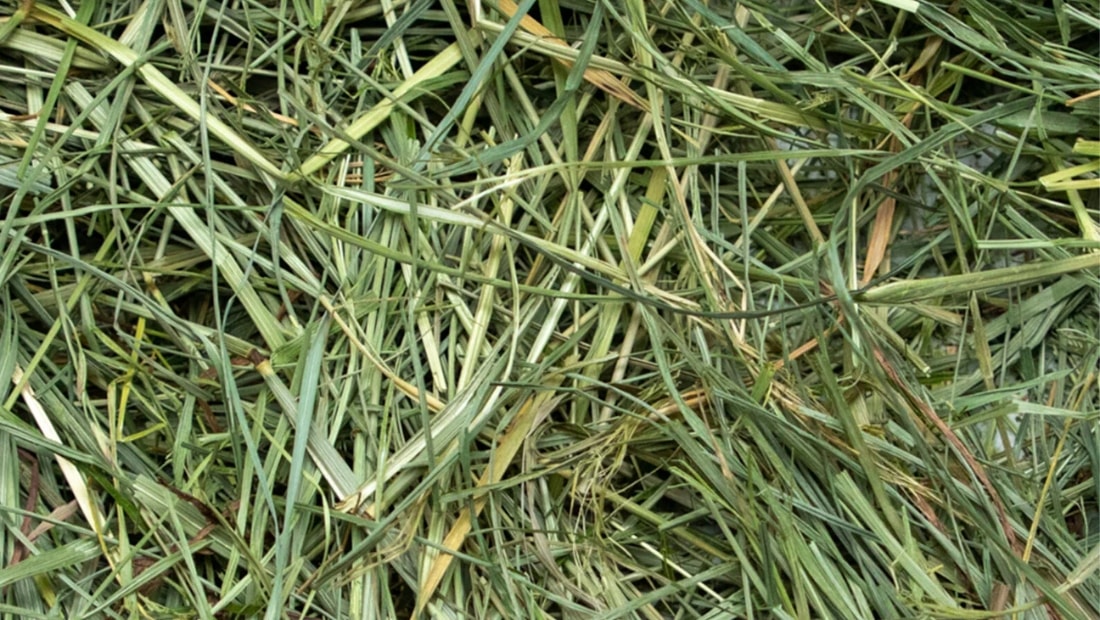
Different grass blends provide plant diversity similar to what wild rabbits eat in open fields. You can try our Rabbit Hole Hay Ultra Premium Mountain Grass as part of your rabbit’s daily hay rotation. It is grown at a higher elevation, harvested in spring and early summer, and hand-packed to maintain freshness and minimal dust. The blend offers delicate leaves with natural variation in texture, helping support steady fiber intake and dental wear.
This type of grass hay is high fiber and lower in protein, making it suitable for adult rabbits. The natural roughage promotes chewing, while balanced nutrients help support digestion and weight management. When looking at why variety in grass matters for rabbit nutrition, adding a mountain grass blend expands plant variety in a simple and practical way.
Encouraging Better Hay Intake
Some house rabbits become selective eaters. They may pick out soft leaves and leave stems behind. Mixing timothy, orchard grass hay, oat hay, and other grass hay varieties can increase interest and reduce waste. Rabbits eat more when hay smells fresh and has visible texture differences.
Using a hay rack keeps hay clean and encourages regular feeding. Most rabbits should have unlimited access to grass hay throughout the day. Fresh greens and vegetables can be offered in small amounts, but hay should remain the primary food source. Why variety in grass matters for rabbit nutrition connects directly to maintaining consistent fiber intake every day.
Feeding Based on Life Stage
Young bunnies require more protein and calcium for growth. Alfalfa hay can be offered during early development along with grass hay. As rabbits mature, grass hay should become the primary part of the rabbit's diet. Adult rabbits benefit most from unlimited grass hay with limited pellets and controlled fresh foods.
Senior rabbits also rely on grass hay for fiber support. Monitoring weight, teeth, and overall health helps determine if adjustments are needed. Why variety in grass matters for rabbit nutrition applies at every stage, with hay types adjusted based on age and condition.
Long-Term Health and Grass Diversity
Rabbits that eat a varied grass diet often maintain steady digestion, healthy teeth, and balanced weight. High fiber supports gut movement. Balanced protein levels help prevent excess fat. Controlled calcium intake reduces the risk of urinary health problems.
Grass variety also supports natural behavior. Rabbits are built to graze and chew throughout the day. Offering different hay varieties reflects how wild rabbits eat across seasons. Why variety in grass matters for rabbit nutrition extends beyond nutrients and includes daily chewing habits that protect rabbit’s health.
Providing clean, fresh, varied grass hay every day is one of the most effective steps in supporting a healthy diet. A mix of timothy, orchard grass, oat hay, bermuda grass, and mountain grass blends helps maintain digestive stability and dental wear without relying heavily on pellets. Aligning feeding practices with a rabbit’s natural diet supports long-term health in both house rabbits and breeding programs.

