
Hay is the most important part of a rabbit’s diet. Most rabbits need unlimited access to rabbit hay every day to support digestion, dental health, and normal chewing behavior. Still, many owners notice that rabbits sort through hay, pull out certain strands, and leave the rest behind. This often leads to one practical question: what makes certain hay more appealing to rabbits and why do preferences vary so much?
Understanding what makes certain hay more appealing to rabbits helps you choose hay that gets eaten instead of wasted. Rabbits are selective grazers, and their choices reflect fiber needs, chewing resistance, freshness, and plant structure. When hay matches their natural feeding instincts, intake improves and health becomes easier to maintain.
Why Hay Is the Foundation of a Rabbit’s Diet
Rabbit hay should make up most of what rabbits eat each day. Grass hays such as timothy hay, orchard grass, oat hay, and rye provide high fiber that supports gut movement and stable digestion. Without enough hay, rabbits may rely too heavily on pellets or snacks, which can upset the balance of the rabbit’s diet.
Hay also supports dental health. Rabbit teeth grow continuously, and chewing long strands of grass wears them down naturally. When rabbits do not eat enough hay, overgrown teeth and dental issues become more likely. This is one of the main reasons that makes certain hay more appealing to rabbits, which directly affects long-term health.
Not All Hay Is Created Equal
Not all hay offers the same texture, fiber level, or feeding experience. Store hay may contain short strands, compressed pieces, or excess dust that reduces interest. Rabbits often pull through these piles and eat only selected parts.
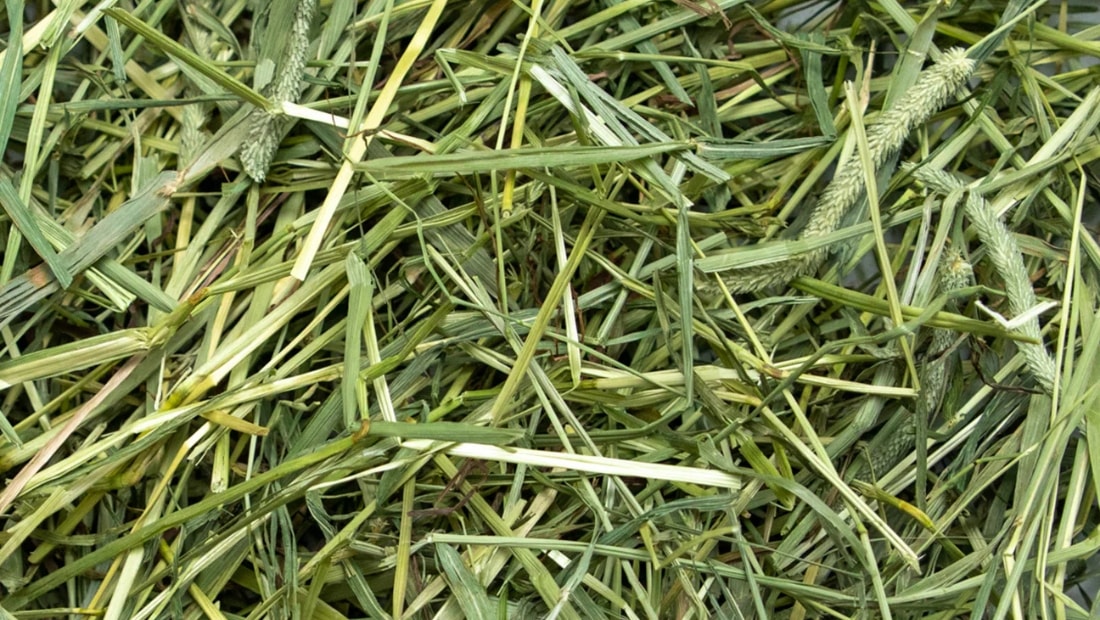
High-quality hay contains long stems, visible seed heads, and intact plant structure. When rabbits are fed premium hay with consistent strand length and low dust, they tend to eat more hay steadily instead of sorting aggressively. The difference often comes down to how the hay was harvested and handled.
Grass Hays Compared to Legume Hays
Grass hays form the base of a healthy rabbit diet. Timothy hay, orchard grass, oat hay, and rye are all grass hays that provide high fiber with moderate protein. Most rabbits respond well to these plants because they match fresh grass more closely.
Alfalfa hay is different. It is a legume and contains more calcium and protein than grass hays. Alfalfa is commonly fed to young rabbits or nursing does but should be limited for most adult rabbits. Many adult buns naturally shift toward grass hays, which helps explain what makes certain hay more appealing to rabbits as they mature.
Timothy Hay and Feeding Preference
Timothy hay is widely used because it balances fiber and chew resistance. First cut timothy usually contains thick stems and seed heads, while second cut timothy tends to be softer and greener. Some rabbits prefer coarse timothy because it requires more chewing.
Stem thickness and length affect how long rabbits sit at the hay pile. Long, firm strands extend feeding time and support steady chewing. When hay includes mature stems and seed heads, many rabbits show stronger interest.
Texture and Structure Influence Appeal
Texture plays a major role in what makes certain hay more appealing to rabbits. Rabbits often pull out thicker stems first because they provide resistance while chewing. This resistance supports proper tooth wear and reduces the risk of overgrown teeth.
Short or overly soft hay breaks apart quickly. When hay collapses into small pieces, rabbits may lose interest and leave more behind. Hay with a strong structure encourages rabbits to stay at the feeder longer and eat enough hay daily.
Freshness, Smell, and Cleanliness
Fresh hay smells clean and grassy. Rabbits use their nose to judge food quality, and hay that smells musty or moldy often goes untouched. Moldy hay or hay exposed to moisture should never be fed.
Dusty hay can also discourage feeding. Excess dust irritates the nose and may lead rabbits to avoid burying their face in the pile. Fresh hay that is dry, clean, and stored in a breathable container maintains quality and supports steady intake.
How Storage Affects Hay Quality
Hay should be stored away from direct sunlight and excess moisture. A breathable container helps maintain freshness and prevents trapped humidity. Poor storage can reduce quality even if the hay was originally high grade.
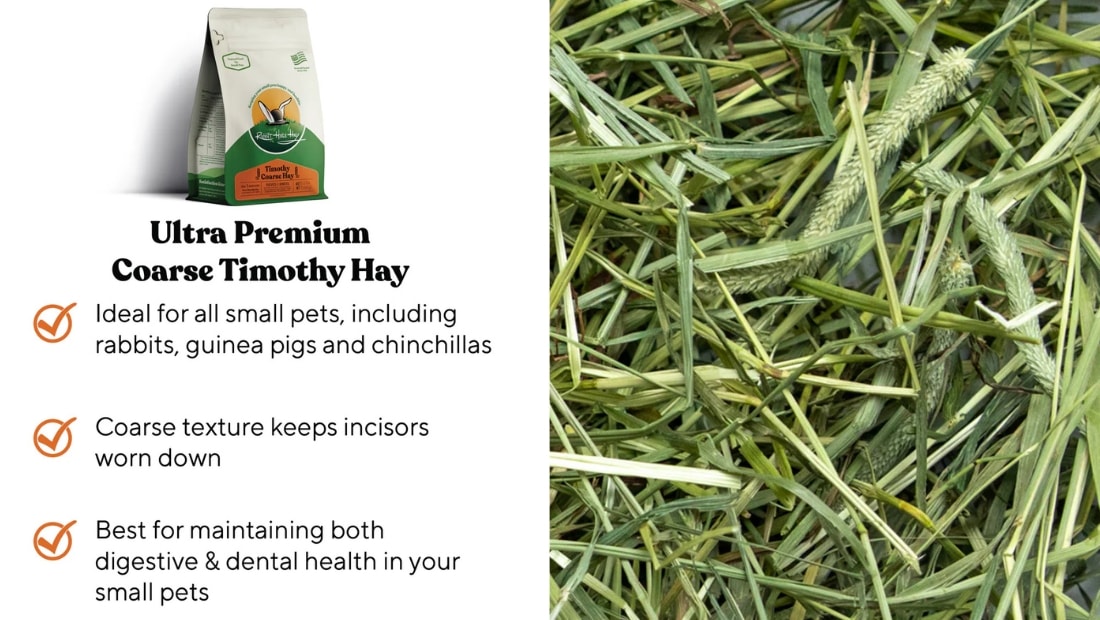
Careful handling also protects strand length. Hay that is visually inspected and hand-packed often arrives with longer, intact pieces and less dust. For example, some breeders who want a coarse option with visible seed heads choose products like Rabbit Hole Hay Ultra Premium Coarse Timothy Hay because it focuses on long stems and careful packing rather than compressed bundles. That type of structure often encourages rabbits to eat more consistently.
Recognizing When Rabbits Like Hay
Rabbits show clear signs when they like the hay. They eat steadily, sit near the litter box longer, and return to the hay pile throughout the day. The pile shrinks evenly instead of being pushed aside.
If rabbits only eat seed heads or ignore most of the hay, texture or freshness may be the issue. Watching feeding behavior over several days provides better insight than judging by appearance alone.
Common Reasons Rabbits Reject Hay
Rabbits may reject hay that is dusty, damp, or moldy. Even slight moisture can affect smell and reduce appeal. If a rabbit suddenly reduces hay intake, check the hay before assuming a health issue.
Diet imbalance is another factor. When pellets, snacks, herbs, or treats make up too much of the diet, hay intake often drops. Pellets should be fed in a small amount so hay remains the primary food source.
Encouraging Rabbits to Eat More Hay
Placing hay near the litter box can increase intake because many rabbits prefer to eat while using it. Refreshing the hay pile daily also keeps the scent strong and encourages feeding.
Offering a mix of grass hays, such as timothy and orchard grass, can help picky rabbits eat more hay overall. Simple changes in presentation often improve interest without changing nutrition.
Conclusion
Hay supports dental health, digestion, and daily behavior. Rabbits that eat enough hay are less likely to develop dental issues or digestive slowdowns. Fiber keeps the gut active and supports overall stability.
Understanding what makes certain hay more appealing to rabbits allows owners to choose the right hay and avoid waste. Long strands, firm stems, low dust, and freshness are reliable indicators of quality. When hay matches a rabbit’s natural feeding instincts, health management becomes more predictable and routine.

