
Medium-Texture Hay is a common grass hay option used as a daily staple for rabbits, guinea pigs, and other small animals. It sits between coarse, stem-heavy hay and very soft, leafy hay. The balance of thin stems, broad flat leaves, and short seed heads makes Medium-Texture Hay easy to eat while still supporting dental and digestive health. Many breeders and small pet owners choose Medium-Texture Hay because it supports steady intake, constant foraging, and healthy digestion without being too rough or too rich.
Medium-Texture Hay is often produced from Timothy Hay during the second harvest or from a softer first harvest cut early in the growing season. When timothy hay begins growing in late spring, the structure of the plant changes as it matures. Hay cut earlier tends to be softer, while hay cut later develops long thick stems and long seed heads. Medium-Texture Hay comes from a point in this growth cycle that produces mostly thin stems, broader leaves, and short seed heads, making it suitable for daily feeding across many life stages.
What Medium-Texture Hay Means
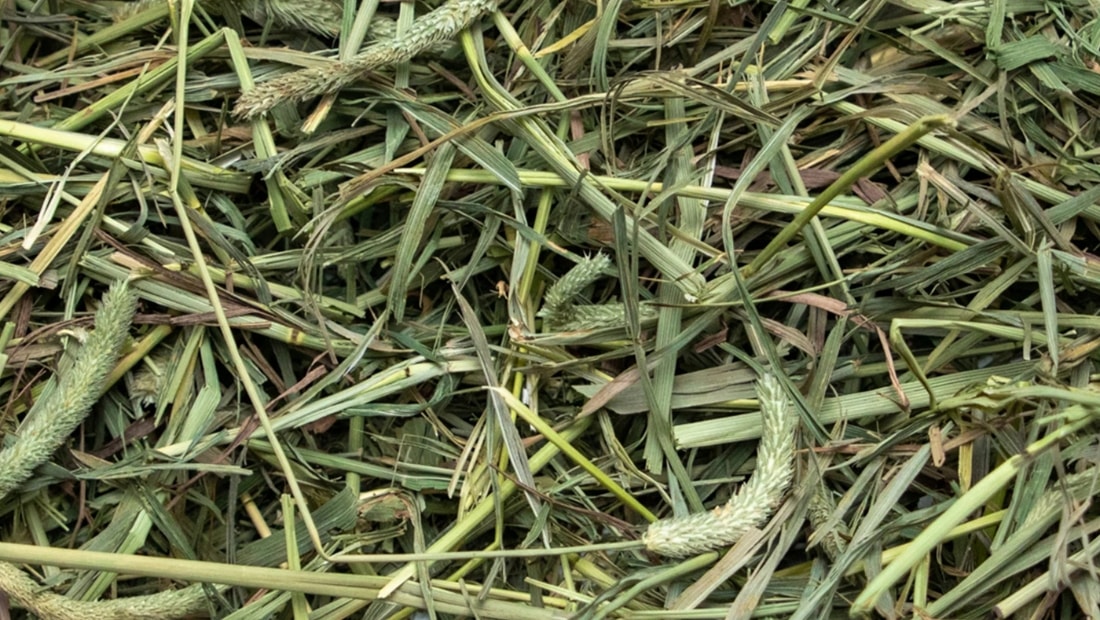
Medium-Texture Hay refers to hay that has a moderate stem thickness and leaf content. It is commonly referred to as medium timothy hay when produced from Timothy grass. This texture is not stiff or scratchy, but it is also not overly soft or fragile. The structure allows small animals to chew steadily, which helps wear down teeth and keep digestion functioning properly.
This type of hay usually comes from second cut timothy hay or a soft first cut hay harvested early. Second harvest hay occurs in late summer, while first cut hay is typically harvested in late spring or early summer. In some seasons, especially after an especially hot spring, a first cut can resemble second cut timothy hay. Hay reports often note whether the hay is first growth or second harvest so owners know what to expect.
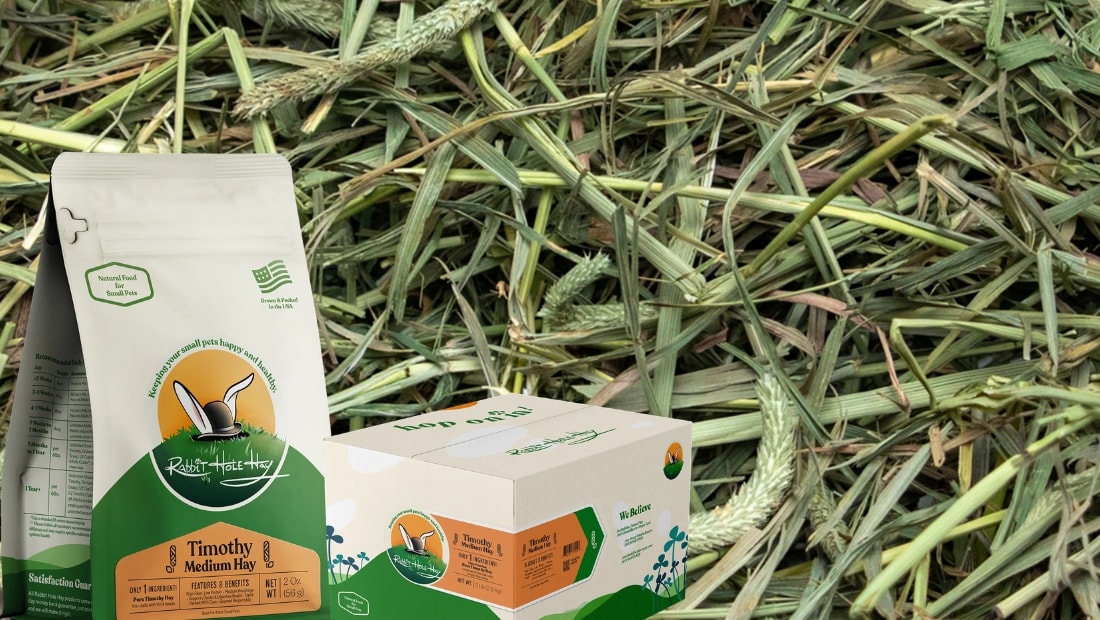
How Medium-Texture Hay Is Harvested
Timothy hay has a predictable growing season. Timothy hay begins growing as temperatures rise in spring, with rapid growth occurring through mid June. During hay early growth, the plant focuses on leaf development. As the season progresses, stems thicken and long seed heads form. Farmer cuts timed earlier produce softer hay, while later cuts produce coarser hay.
Medium-Texture Hay is typically sourced from the second harvest or from hay cut before the plant fully matures. This timing results in hay with mostly thin stems, broad flat leaves, and short seed heads. The balance helps avoid bad hay that is overly stiff or dusty while still providing long strand fiber that supports healthy digestion and dental health.
Medium-Texture Hay vs Other Grass Hay Types
Grass hay comes in several textures, and each serves a different purpose. Understanding how Medium-Texture Hay compares helps small pet owners choose the right option for their animals.
Medium-Texture Hay works well as an important staple because it encourages grazing without overwhelming sensitive pets. It supports physically active animals while remaining gentle enough for older rabbits and chinchillas older in age.
Who Medium-Texture Hay Is Best For
Medium-Texture Hay suits a wide range of small animals. It is commonly used for rabbits, guinea pigs, and chinchillas. The moderate fiber structure supports dental and digestive health while helping animals maintain a healthy weight.
For rabbits and guinea pigs, constant foraging is a natural behavior. Medium-Texture Hay supports this by providing long-strand fiber that animals can chew throughout the day. Grazing encouraged by this texture helps keep digestion regular and prevents boredom. Many breeders rely on medium timothy hay for growing rabbits, adult breeders, and aging rabbits who need softer hay without sacrificing fiber.
Benefits for Aging and Sensitive Pets
Aging rabbits and sensitive pets often struggle with coarse hay. Long, thick stems can be difficult to chew and may lead to reduced intake. Medium-Texture Hay offers a softer side while still promoting dental health and digestive health. The thinner stems reduce strain on teeth while the fiber content supports healthy digestion.
Sensitive pets may also react poorly to dusty or brittle hay. Quality Medium-Texture Hay is hand-packed with long strands and minimal dust. This reduces reported cases affecting sneezing or eye irritation. Consistent hay quality supports pets that require stable nutrition requirements without sudden changes.
Dental and Digestive Health Support
Dental health depends on steady chewing. Medium-Texture Hay promotes dental health by encouraging long chewing sessions. The long strand fiber helps wear teeth evenly, reducing the risk of overgrowth. Short seed heads and thin stems allow animals to chew comfortably without avoiding tougher pieces.
Digestive health relies on fiber moving through the gut at a steady pace. Medium-Texture Hay provides high fiber with low protein, supporting healthy digestion and digestion regular patterns. This balance helps prevent weight gain while keeping animals mentally stimulated through constant foraging.
Nutritional Profile of Medium-Texture Hay
Medium-Texture Hay is a grass hay with low protein and high fiber. This makes it suitable as a daily food source rather than a supplement. Grass hay supports healthy weight and promotes stable digestion across life stages.
Key nutritional features include:
- High fiber for digestive health
- Low protein for weight control
- Long strand fiber for dental wear
- Broad flat leaves for palatability
This nutritional balance helps small animals maintain optimal health without excess calories. Medium-Texture Hay works well alongside measured pellets and fresh greens.
Medium-Texture Hay for Breeders and Rabbitries
Breeders often look for consistent hay that performs well across groups. Medium-Texture Hay provides reliable intake for rabbits at different stages, from growing stock to breeding adults. The texture supports physically active animals without encouraging selective feeding.
Consistency matters in breeding programs. Sudden hay changes can disrupt digestion. Medium-Texture Hay sourced from consistent farmer cuts and reported harvest details helps breeders plan feed programs with fewer surprises. This stability supports healthy digestion and predictable body condition.
Quality Indicators to Look For
Not all hay labeled medium texture meets the same standards. Quality hay should be green, fragrant hay with long strands and minimal dust. Avoid hay that smells musty, appears brown, or breaks into short pieces easily.
You can try our Rabbit Hole Hay Ultra Premium Medium Timothy Hay if you are looking for Medium-Texture Hay that consistently meets these standards. It is sourced from second harvest timothy or a soft early cut, with mostly thin stems, broad flat leaves, and short seed heads. Each box is hand packed to keep long strand fiber intact and reduce dust, which helps support dental and digestive health for rabbits, guinea pigs, and other small animals fed hay daily.
Storage and Feeding Tips
Proper storage helps hay stay fresh. Keep hay in a dry area with airflow. Avoid sealed plastic containers that trap moisture. Use breathable storage to maintain quality and prevent mold.
Feed Medium-Texture Hay freely. Hay helps support constant foraging and mental stimulation. Replace soiled hay daily and monitor intake. Reduced eating may signal bad hay or health concerns. Medium-Texture Hay should be available at all times as the main food source.
Medium-Texture Hay and Buying Options
Many pet owners choose between one time purchase and recurring or deferred purchase options. A deferred purchase plan helps maintain consistency while allowing flexibility. Check payment method options and review collected feedback when selecting a supplier.
Reliable hay suppliers often provide hay reports that explain whether the hay comes from first cut hay or second harvest. This transparency helps buyers match texture to their pets’ needs. A store invitation to review harvest details adds confidence, especially for sensitive pets.
Common Feeding Questions
Medium-Texture Hay works as a daily staple for most small animals. It pairs well with orchard grass for variety if timothy sensitivity exists. It supports grazing encouraged behavior and helps animals stay mentally stimulated.
Owners often worry about switching hay. Gradual transitions help digestion adjust. Mixing small amounts of new hay over several days reduces risk. Medium-Texture Hay generally transitions easily due to its balanced structure.
Why Medium-Texture Hay Works for Most Homes
Medium-Texture Hay fits the needs of many households with small pets. It supports dental health, digestive health, and healthy weight while being easy to manage. The balance of thin stems and broad leaves makes it accessible for rabbits guinea pigs and chinchillas happy at different life stages.
For owners seeking quality hay that performs well day after day, Medium-Texture Hay offers a reliable option. Its structure supports constant foraging, stable digestion, and long-term health without unnecessary complexity.

