
Rabbits rely on chewing and simple play every day to stay healthy. These habits support dental wear, movement, and calm behavior. When rabbits do not have safe items to chew or interact with, they often turn to cage bars, plastic, or other materials that are not meant for chewing.
A grass woven play ball fits naturally into daily rabbit care. This guide explains how a woven grass play ball supports safe chewing, gentle play, and routine activity for rabbits and other small animals. It also explains what to look for in natural woven grass products so you can choose options that are safe, simple, and easy to use inside the cage or during supervised play time.
Why Chewing Is a Daily Need for Rabbits
Rabbit teeth grow continuously throughout life. Chewing helps wear teeth down at a steady rate and supports normal eating habits. Without enough safe chewing, teeth may grow unevenly and cause discomfort that affects appetite and behavior.
Chewing also gives rabbits a way to release energy. A safe item to chew keeps rabbits occupied and reduces destructive habits. When chewing needs are met, many rabbits show calmer behavior and spend more time resting between active periods.
How Play Supports Movement and Digestion
Rabbits need daily movement to support digestion. Gentle activity helps keep the gut moving, which is important for rabbits that rely on steady fiber intake. Play does not need to be complex to be effective.
Simple objects that rabbits can push, toss, or roll encourage light movement throughout the day. A ball shape naturally invites this kind of interaction. Rolling or nudging a play ball adds short bursts of activity that support digestion without overexertion.
What Makes Woven Grass a Good Material
Natural woven grass products are commonly used for small animals because the material matches what rabbits already eat in hay form. Grass fibers break down naturally and are easy for rabbits to grip with their teeth.
A woven grass play ball combines texture and shape. The woven design gives resistance for chewing, while the round form allows the ball to roll. This combination supports both chewing and play without adding unnecessary features or materials.
Avoiding Dyes, Colors, and Added Chemicals
Rabbits chew thoroughly. Because of this, toys should not contain dyes, added colors, preservatives, or pesticides. These substances do not belong in a rabbit’s digestive system and add risk without benefit.
A safe natural play ball uses untreated grass. When choosing items for your small pet, always review product features and materials. Natural woven grass without chemical treatment supports safer daily use and simpler care routines.
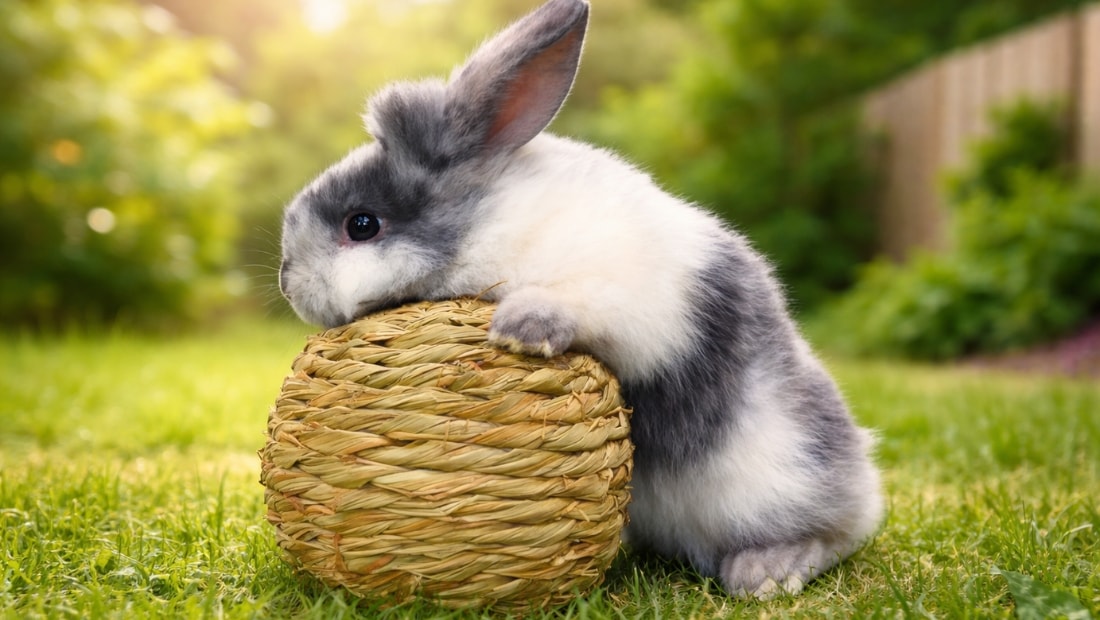
Using a Grass Woven Play Ball Inside the Cage
Most rabbits interact best with new items when they are placed in familiar areas. A grass woven play ball can be placed directly inside the cage or enclosure where the rabbit already eats and rests, allowing the rabbit to approach and use it on its own time. A natural woven option like Peter’s Grass Woven Play Ball fits well into this setup because it is safe to chew and made without dyes, preservatives, or pesticides.
Place the ball away from food bowls and litter areas so it does not interfere with daily routines. Many rabbits chew during rest periods, so positioning the ball near a favorite resting spot often leads to regular chewing and quiet play throughout the day.
Play Time Outside the Cage
During supervised free-roam or play time, a woven grass play ball can be used outside the cage. The ball gives rabbits something to interact with in open spaces and helps focus their attention.
Outdoor or floor play should always be supervised. Remove the ball if it becomes wet or soiled. Grass items should stay dry to remain safe and clean for chewing.
Supporting Rabbits at Different Life Stages
Young rabbits explore their environment through chewing. A soft but resistant grass ball gives them a safe way to learn chewing habits early. The light weight makes it easy for young rabbits to move the ball without strain.
Adult rabbits benefit from regular chewing to manage dental wear. Older rabbits may prefer gentler textures that still allow chewing without pressure. Adjust access based on the rabbit’s health, chewing strength, and interest level.
Introducing a New Play Ball
When adding a new item, place it in the enclosure and allow the rabbit to approach on its own. Some rabbits chew right away, while others sniff or push the ball before chewing. Both responses are normal.
Avoid moving the ball frequently during the first few days. Consistency helps rabbits accept the item as part of their space. Over time, most rabbits include the ball in their daily routine.
Monitoring Chewing and Quantity
Chewing behavior varies between rabbits. Some chew slowly over many hours, while others break down items quickly. Monitor how much of the ball is consumed and how often it needs to be replaced.
If a rabbit consumes a large quantity in a short time, decrease quantity by limiting access to supervised periods. Balance chew items with unlimited hay to support digestion and dental health.
Cleaning and Replacement
Grass woven play balls are not designed to be washed. Water weakens grass fibers and may cause mold. Remove the ball if it becomes damp, dirty, or broken into loose strands.
Replace the item when it no longer holds its shape or when strands become small enough to scatter. Regular replacement keeps the environment clean and safe for chewing.
How Simple Toys Support Calm Behavior
Rabbits that have consistent access to safe chew and play items often show fewer stress behaviors. Chewing provides an outlet for energy and helps rabbits settle between active periods.
Simple items tend to work better than complex toys. A basic ball shape with natural texture encourages interaction without overwhelming the rabbit. This makes daily routines easier to manage for both pets and breeders.
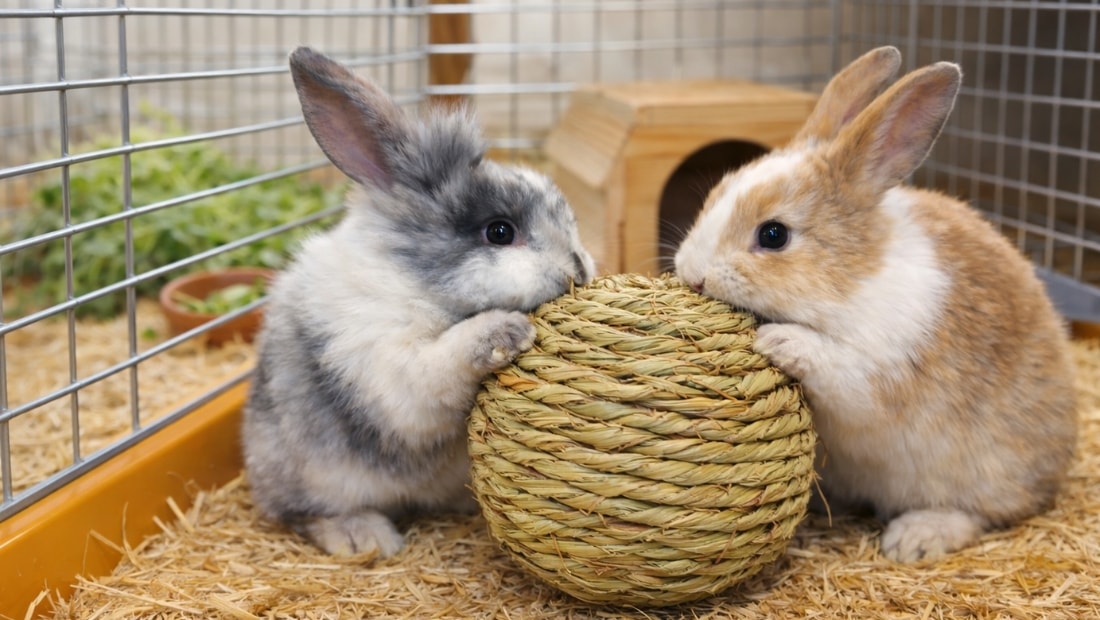
Tracking Enrichment and Behavior Over Time
Noting how rabbits interact with enrichment items helps identify changes early. Reduced chewing, sudden disinterest, or aggressive chewing may signal stress or health concerns.
Keeping simple records of enrichment use alongside feeding, weight, and health notes helps resolve small issues before they grow. Consistent tracking supports better care decisions over time.
When to Limit or Remove Play Items
Some rabbits with dental disease or digestive sensitivity may need limited access to certain chew items. In these cases, consult a rabbit-experienced veterinarian before continuing use.
Always adjust enrichment based on the individual rabbit rather than following a fixed rule. Rabbit care works best when routines respond to the animal’s needs.
Choosing Safe Options for Small Animals
While rabbits are the primary focus, woven grass items are also used for other small animals that chew. Always confirm that the size and material match the needs of the specific small pet.
Review product features carefully before adding items to your cart or checkout. Reading reviews and item details helps confirm that the product is safe to chew and suitable for daily use.
Building a Simple, Healthy Routine
Daily chewing and play do not need to be complicated. A safe natural ball made from woven grass supports chewing, movement, and calm behavior when paired with proper feeding and housing.
By choosing simple, untreated items and monitoring use over time, rabbit owners can provide hours of fun while supporting long-term health. If questions come up about enrichment or behavior, contact a rabbit-savvy professional for guidance.

