
Juvenile rabbit food plays a direct role in how young rabbits grow, digest feed, and develop into healthy adult rabbits. During the first few months of life, a rabbit’s diet supports bone formation, muscle growth, and digestive stability. Feeding the wrong rabbit food during this stage can affect growth rate, gut balance, and long-term performance, especially for breeders managing multiple rabbits.
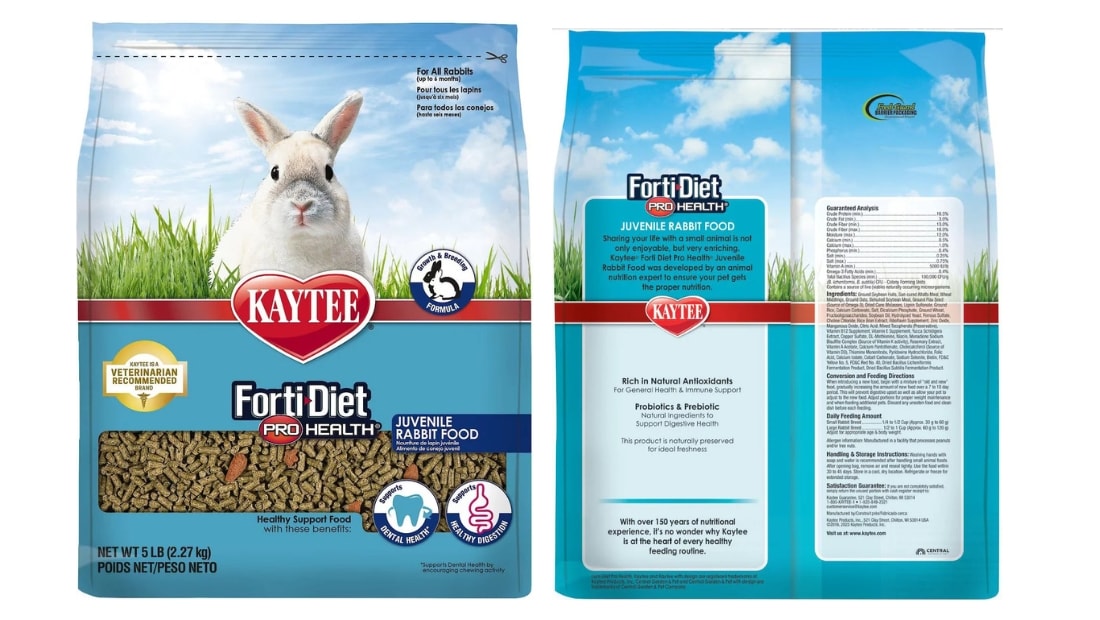
Young rabbit food must supply the right protein level, fiber balance, and added nutrients without causing digestive stress. Forti-Diet Pro Health Juvenile Rabbit Food for Rabbit Breeders is designed to support young rabbits from weaning through early growth while working alongside unlimited grass hay and a structured feeding plan.
At Everbreed, Kaytee Forti-Diet Pro Health Juvenile Rabbit Food is available as part of a broader rabbit care ecosystem that supports responsible breeding, record tracking, and long-term herd management. Everbreed provides tools that help breeders track current food, feeding schedules, growth stages, and dietary changes while connecting nutrition decisions to accurate rabbit records.
Why Juvenile Rabbits Need Specialized Food
Young rabbits have higher nutrient demands than adult rabbits because their bodies are building tissue, bone, and digestive capacity at the same time. A baby bunny that receives adult food too early may not receive enough protein or minerals to support steady growth. Juvenile rabbit food is formulated to meet these higher demands without overwhelming the digestive system.
Forti-Diet Pro Health Juvenile Rabbit Food supports young rabbits that are still months old by supplying balanced protein, fiber, and minerals. This type of young rabbit food fits into a rabbit’s diet that includes unlimited access to hay and clean water, helping breeders maintain consistency during the growth stage.
Protein Levels and Growth Support
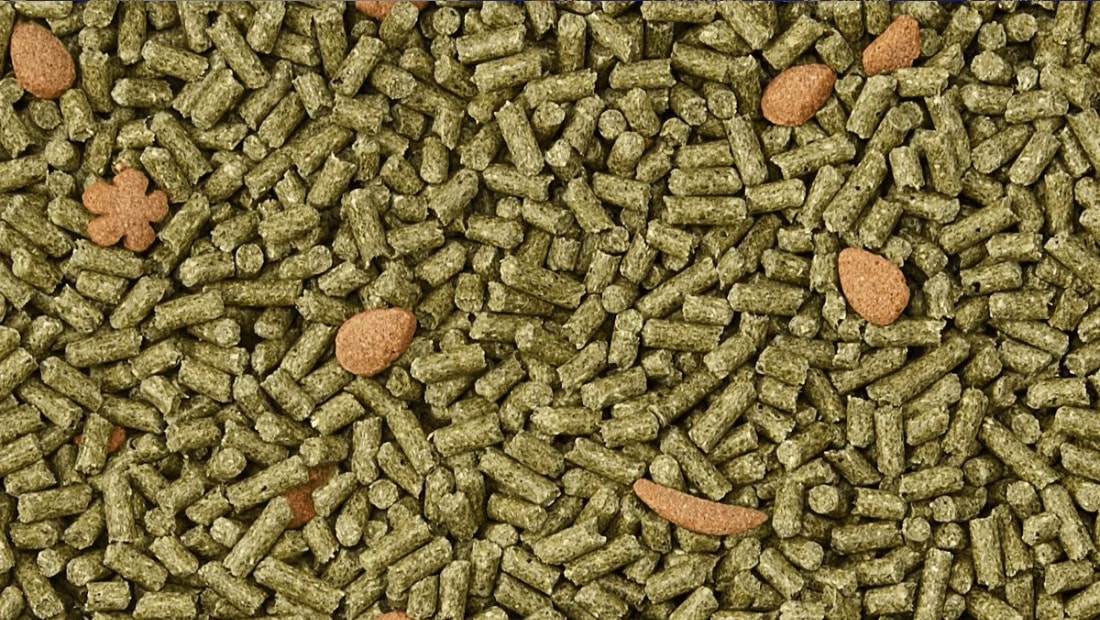
Protein intake affects muscle development, skeletal growth, and overall body condition in rabbits. Juvenile rabbits require higher protein than adult rabbits, but that protein must come from digestible sources. Forti-Diet Pro Health Juvenile Rabbit Food uses alfalfa-based pellets to provide protein while supporting digestion.
Key protein sources include alfalfa meal, soybean meal, wheat middlings, and soybean hulls. These ingredients work together to provide crude protein min levels suited for growth while avoiding excess fat. This balance helps provide optimal protein and steady weight gain without stressing the gut.
Fiber Balance and Digestive Stability
Fiber remains the foundation of every rabbit’s diet, even for young rabbits. Forti-Diet Pro Health Juvenile Rabbit Food is designed to be fed alongside unlimited grass hay rather than replacing it. Fiber supports gut motility and helps maintain healthy digestion as rabbits adjust to solid feed.
Breeders should offer high fiber hays such as timothy hay or mixed grass hay while feeding alfalfa-based pellets. Unlimited access to hay helps prevent digestive upset while supporting natural chewing behavior. Crude fiber min levels in the pellets work with hay intake rather than competing with it.
Use of Alfalfa Hay in Juvenile Diets
Alfalfa hay is commonly used in juvenile rabbit food because it provides protein and calcium needed for growth. Alfalfa-based pellets supply nutrients that grass hay alone cannot provide during early development. This approach fits young rabbits that are still growing rapidly.
As rabbits age, breeders can reduce alfalfa intake and shift toward timothy-based pellets. Forti-Diet Pro Health Juvenile Rabbit Food supports this early stage while allowing a planned move toward adult food when growth slows.
Added Fats and Energy Sources
Young rabbits need steady energy to support daily activity and development. Forti-Diet Pro Health Juvenile Rabbit Food includes soybean oil and cane molasses to support energy intake and improve palatability. Salt cane molasses also helps reduce feed refusal in newly weaned rabbits.
Crude fat min levels are controlled to support growth without excessive weight gain. Moisture max 10.00 helps maintain pellet stability and storage quality, which matters for breeders managing feed inventory.
Vitamin Support for Growing Rabbits
Juvenile rabbits depend on dietary vitamins to support immune function, metabolism, and tissue development. Forti-Diet Pro Health Juvenile Rabbit Food includes a wide vitamin profile to support these needs.
Included vitamins and supplements include vitamin A supplement, vitamin D3 supplement, vitamin E supplement, vitamin E, riboflavin supplement, niacin supplement, thiamine mononitrate, pyridoxine hydrochloride, folic acid, choline chloride, d calcium pantothenate, biotin supplement, and general vitamin support. These nutrients help support steady growth and long-term health.
Minerals for Bone and Metabolic Health
Minerals support bone density, enzyme function, and metabolic processes in rabbits. Forti-Diet Pro Health Juvenile Rabbit Food includes calcium iodate, calcium iodate crude protein balance, calcium min, phosphorus min 0.25, salt, and sodium selenite to support mineral balance.
Trace minerals include zinc sulfate, zinc oxide, zinc proteinate, copper sulfate, ferrous sulfate, magnesium sulfate, manganous oxide, manganese proteinate, and cobalt carbonate. These minerals help maintain growth consistency without excess supplementation.
Digestive Additives and Pellet Stability
Digestive support helps young rabbits adapt to solid feed after weaning. Forti-Diet Pro Health Juvenile Rabbit Food includes yeast culture and hydrolyzed yeast to support gut balance. Menadione sodium bisulfite complex supports vitamin activity within the feed.
Pellet stability and consistency are supported through sodium bentonite, lignin sulfonate, dl methionine, and balanced salt inclusion. These components help maintain feed quality during storage and daily use.
Feeding Guidelines for Juvenile Rabbits
Most breeders feed Forti-Diet Pro Health Juvenile Rabbit Food as unlimited pellets daily during early growth. Unlimited pellets work best when paired with unlimited grass hay and constant water access. This approach supports steady intake without forcing restricted feeding schedules.
When introducing a new food, breeders should mix it with the current food in small quantities over several days. This helps young rabbits adjust while maintaining healthy digestion.
Moving From Juvenile to Adult Food
Rabbits usually remain on juvenile rabbit food for the first few months, depending on breed size and growth rate. Large breeds often stay on juvenile formulas longer than smaller breeds. Adult food should be introduced gradually once growth slows.
The shift to adult food often includes timothy-based pellets and reduced alfalfa intake. Small quantities of adult food can be mixed into juvenile pellets while maintaining hay access to support digestion.
Comparisons With Other Feeding Programs
Some breeders compare Forti-Diet Pro Health Juvenile Rabbit Food to programs where they feed Oxbow or other brands. The key factor remains consistency, ingredient quality, and correct feeding practices. Premium ingredients and balanced nutrient profiles matter more than brand switching.
Breeders should focus on maintaining a balanced diet rather than frequent feed changes. Stable feeding supports better long-term results in rabbits.
Additional Functional Benefits
Forti-Diet Pro Health Juvenile Rabbit Food includes omega-3 fatty acids to support heart, brain, and visual functions. Yucca is included to support odor control in housing environments. Natural antioxidants support immune health and general wellness during growth.
These features support breeders managing multiple rabbits in enclosed spaces while maintaining feed efficiency.
Supporting Breeder Record Keeping
Tracking feeding programs matters when managing multiple rabbits. Knowing when a rabbit switches from juvenile rabbit food to adult food helps breeders monitor growth trends and health outcomes. Accurate records support better breeding decisions.
Using structured rabbitry tools helps connect feeding choices to outcomes such as weight gain, litter health, and long-term productivity.
Conclusion
Feeding young rabbits requires careful planning, consistent ingredients, and an understanding of how nutrition supports growth and digestion. Juvenile rabbit food plays a direct role in shaping bone development, gut health, and long-term performance, especially during the first few months of life. A formula built with alfalfa hay, controlled protein, added vitamins, and balanced minerals supports steady growth when paired with unlimited grass hay and proper feeding practices. Maintaining consistency in rabbit food choices helps reduce digestive stress and supports healthier adult rabbits.
At Everbreed, Kaytee Forti-Diet Pro Health Juvenile Rabbit Food is available for breeders who want a structured, nutritionally enhanced option for young rabbits. Everbreed supports responsible feeding decisions by pairing access to quality products with tools that help track rabbit records, feeding programs, and growth stages. If you want to organize your rabbitry feeding plans and keep clear records across every stage of development, sign up today and build a system that supports long-term breeding success.

